
Buenos Aires is a city best discovered one meal at a time. From flaky empanadas and buttery medialunas to traditional Argentine steak, handmade pasta, neighborhood pizzerias, and Malbec wine, the Argentine capital offers an unforgettable introduction to South American food culture.
If you are visiting for the first time, three days gives you enough time to explore several distinctive neighborhoods while tasting the dishes that define local dining. This 3-day Buenos Aires food itinerary combines traditional cafés, market lunches, classic parrillas, regional specialties, and contemporary restaurants without making every meal feel rushed.
Classic Buenos Aires: Historic Cafés, Pizza, and Steak
Explore the historic center and experience the city’s most recognizable food traditions.
Start with Coffee and Medialunas
Begin your culinary trip at a traditional Buenos Aires café. Order a café con leche or a cortado with two medialunas, small crescent-shaped pastries that are a local breakfast favorite.
If you enjoy historic architecture, choose a classic café in the Microcentro or along Avenida de Mayo. Buenos Aires’ official tourism website is a useful starting point for researching historic cafés and city attractions.
What to order: Café con leche, medialunas, and a small glass of water if it is served with your coffee.
Walk Through the Historic Center
After breakfast, explore Plaza de Mayo, the streets around the Casa Rosada, and the grand avenues of downtown. This is a good time to discover the city’s café culture without having to travel between distant neighborhoods.
Take a short break if you find a traditional bakery. Look for alfajores, biscuits joined with dulce de leche and often covered in chocolate or powdered sugar. They make an excellent snack for later in the day.
Try Buenos Aires-Style Pizza
Buenos Aires has a strong Italian culinary heritage, and pizza is one of its most beloved everyday foods. Head toward Avenida Corrientes, where traditional pizzerias are part of the city’s dining identity.
Order a slice of fugazzeta if you love cheese. This local specialty features a thick pizza filled with cheese and topped with onions. A classic mozzarella pizza is another reliable choice.
Some traditional pizzerias serve pizza by the slice at the counter, while others offer full pies for sharing. Choose based on your appetite and whether you want to sample more dishes later.
Enjoy Merienda at a Neighborhood Café
The afternoon snack known as merienda is a useful part of the Buenos Aires dining routine. Instead of eating a large meal between lunch and dinner, stop for coffee, pastries, or a sweet treat.
Try an alfajor, a slice of cake, or toast with dulce de leche. If you prefer something less sweet, order a cortado and a small pastry. This break also helps you adjust to the city’s later dinner schedule.
Experience Your First Argentine Parrilla
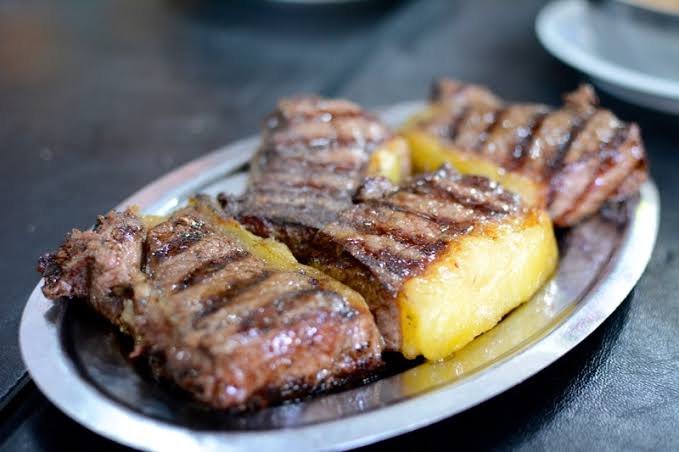
Make your first evening a proper Argentine steakhouse experience. A parrilla specializes in grilled meat, often cooked over charcoal or wood. Traditional menus may include beef cuts, sausages, offal, salads, and grilled vegetables.
For a first visit, consider these popular dishes:
- Bife de chorizo: a thick, flavorful sirloin-style steak.
- Ojo de bife: a rib-eye cut known for its marbling.
- Entraña: skirt steak with a distinctive beef flavor.
- Provoleta: grilled provolone cheese, often seasoned with oregano.
- Chorizo: a grilled sausage commonly served as a starter or alongside meat.
Pair your meal with Malbec if you drink wine, or choose sparkling water or a nonalcoholic beverage. Ask about steak portion sizes before ordering, particularly if you also want a starter and dessert.
Reserve ahead for popular restaurants, especially on weekends. If you prefer an earlier dinner, look for a venue that explicitly lists early seating times.
San Telmo: Markets, Empanadas, and Traditional Flavors
Spend the day exploring one of the city’s most atmospheric neighborhoods.
Have a Simple Argentine Breakfast
Begin with coffee and medialunas at a café near San Telmo. Keep breakfast light because the neighborhood’s market and restaurants offer plenty of opportunities to sample different foods.
If your visit falls on a Sunday, consider organizing the day around the Feria de San Telmo, the well-known street market along Defensa and nearby streets. Opening arrangements and individual vendors can vary, so check current details before visiting.
Discover Mercado de San Telmo
Mercado de San Telmo is a rewarding stop for travelers who want to see how local food, historic market architecture, and contemporary food stalls come together. Walk through the market before choosing a snack or deciding where to have lunch.
Look for opportunities to try:
- Empanadas: baked or fried pastries filled with meat, chicken, cheese, or vegetables.
- Choripán: grilled chorizo served in bread, often with chimichurri.
- Sandwiches: simple, filling options for a casual lunch.
- Local sweets: alfajores and other pastries to enjoy with coffee.
Market offerings change by vendor, day, and season. Treat this as a flexible tasting stop rather than expecting every stall to sell the same dishes.
Make Empanadas the Star of Lunch
Empanadas are among the easiest Argentine specialties for first-time visitors to enjoy. They are portable, affordable relative to many sit-down meals, and available in numerous fillings.
Start with a traditional beef empanada. Depending on the recipe, the filling may include onion, egg, olives, or seasonings. Add a ham-and-cheese or humita version if you want to compare different flavors. Humita is generally made with corn and other ingredients that vary by recipe.
If you are very hungry, order a few empanadas with a salad or another side. If you want to continue exploring, two or three smaller tastings may be enough.
Explore San Telmo Between Meals
After lunch, stroll along Defensa, browse antique shops, and visit Plaza Dorrego. The area’s cobblestone streets, old buildings, independent shops, and tango atmosphere make it one of the most distinctive places to explore on foot.
Sunday is particularly lively because of the street fair. On other days, you can still enjoy the neighborhood’s permanent market, cafés, and restaurants, although the street market experience will be different.
Take a Break Before Dinner
Pause at a traditional bar or café. If you enjoy local aperitif culture, you may encounter vermouth or other drinks served before dinner. For a nonalcoholic option, order coffee, sparkling water, or a soft drink.
Keep this stop light if you plan to have a full dinner. Buenos Aires encourages lingering over food, but you do not need to order a complete meal at every stop.
Choose a Traditional Bodegón or Parrilla
A bodegón is a traditional, often informal restaurant associated with generous portions and familiar comfort food. Depending on the menu, you might find milanesas, pasta, stews, meat dishes, and classic desserts.
Good options to look for include:
- Milanesa: breaded meat, commonly beef or chicken, served plain or with toppings.
- Ravioles or ñoquis: pasta dishes reflecting Italian influence.
- Locro: a hearty stew traditionally associated with Argentina and the wider Andean region.
- Flan with dulce de leche: a classic dessert combination.
If you already had steak on Day One, choose a bodegón serving pasta or milanesa to experience a different side of local food culture.
Recoleta and Palermo: Cafés, Modern Dining, and Wine
Finish your culinary trip with elegant cafés, neighborhood restaurants, and a relaxed evening.
Enjoy a Leisurely Café Breakfast in Recoleta
Recoleta is a good place to slow down on your final day. Choose a café near the neighborhood’s plazas and elegant streets, and enjoy coffee with medialunas, toast, or a pastry.
If you have time, combine breakfast with a walk through Recoleta’s architecture and public spaces. The neighborhood has a different atmosphere from San Telmo’s market streets and Palermo’s more contemporary restaurant districts.
Make Time for Local Bakeries and Sweets
Stop at a bakery or confectionery to explore Argentina’s sweet side. Look for alfajores, dulce de leche pastries, and seasonal cakes. If you did not try them earlier, this is also a good time to sample different styles of Argentine sweets.
Travelers who prefer savory snacks can look for a small sandwich or an empanada. Keep the morning flexible so that lunch remains an enjoyable part of the itinerary.
Explore Palermo’s Contemporary Food Scene
Head to Palermo Soho or Palermo Hollywood for lunch. These areas are known for varied dining, including modern Argentine cooking, international restaurants, cafés, bakeries, and casual eateries.
For a modern Argentine meal, look for a restaurant highlighting seasonal produce, grilled meats, local cheeses, or creative interpretations of traditional dishes. If you prefer lighter food, Palermo also offers plenty of options beyond steak and pasta.
Menus and restaurant quality differ considerably, so review current menus and recent information before committing to a specific venue. Booking ahead is sensible for well-known restaurants.
Enjoy Palermo’s Café and Bakery Culture
Spend the afternoon walking around Palermo Soho’s independent shops, street art, and cafés. This is the ideal time to try another merienda or enjoy a relaxed coffee break before dinner.
If you are traveling with someone who prefers sweets while you prefer savory food, this neighborhood makes it easy to choose different stops without disrupting the itinerary.
Discover Argentine Wine
If wine interests you, consider a wine bar in Palermo or another convenient neighborhood. Malbec is the best-known Argentine red wine internationally, but it is not the country’s only option. You may also encounter Cabernet Sauvignon, Bonarda, Cabernet Franc, and white wines such as Torrontés.
Ask for a tasting flight or a recommendation by style rather than ordering a full bottle. If you do not drink alcohol, use this time for a coffee stop or an early walk before dinner.
Finish with a Memorable Restaurant Experience
Make your final meal reflect what you enjoyed most during the trip. You could return to a parrilla for a different cut of beef, try a contemporary Argentine tasting menu, or choose a restaurant combining local ingredients with international influences.
If your budget allows, reserve a special dinner in advance. Check the menu, dietary options, cancellation policy, and whether a tasting menu requires a fixed seating time.
For a more casual finish, order a few dishes to share, add a local dessert, and take your time. The goal is to enjoy Buenos Aires rather than turn every meal into a race against the clock.
Essential Argentine Foods to Try in Three Days
You do not need to try every Argentine dish during a short visit. Focus on a few specialties that reveal the city’s mix of local traditions and European culinary influences.
| Food or drink | What it is | Best time to try it |
|---|---|---|
| Medialunas | Small crescent-shaped pastries, usually sweet or buttery. | Breakfast or merienda |
| Empanadas | Pastries filled with meat, cheese, chicken, or vegetables. | Lunch or a snack |
| Fugazzeta | Cheese-filled or cheese-topped pizza with onions. | Lunch or casual dinner |
| Choripán | Grilled chorizo in bread, often served with chimichurri. | Casual lunch or street-food stop |
| Bife de chorizo | A popular beef steak cut served at parrillas. | Dinner |
| Milanesa | Breaded meat served plain or with toppings. | Lunch or dinner |
| Alfajor | Sandwich-style biscuits, often filled with dulce de leche. | Afternoon snack or dessert |
| Malbec | A widely recognized Argentine red wine. | Wine tasting or dinner |
| Flan with dulce de leche | Custard served with caramel-like milk confection. | After dinner |
Recipes and serving styles vary by restaurant. Ask about ingredients if you have allergies or dietary restrictions.
How Much Should You Budget for Three Days of Food?
Your food budget in Buenos Aires depends on the type of restaurants you choose, how much you drink, and whether you prefer quick meals or long sit-down dinners. A bakery breakfast and a casual lunch generally cost less than a steakhouse dinner or a tasting menu.
Rather than relying on a fixed estimate that can become outdated, check current menus and prices close to your trip. Look at whether prices are listed per person, per portion, or for sharing, and verify the currency and payment methods before ordering.
Ways to Manage Your Dining Budget
- Mix casual and special meals. Enjoy bakery breakfasts and casual lunches, then reserve one dinner for a memorable parrilla or modern restaurant.
- Share large portions. Steakhouse servings and some traditional dishes can be substantial.
- Check menus first. Review current prices, portion sizes, and service details before sitting down.
- Leave room for snacks. Coffee, pastries, and empanadas can be enjoyable without requiring a full meal.
- Confirm payment options. Ask whether the restaurant accepts your preferred card or another payment method.
- Book popular restaurants. A reservation can reduce waiting, particularly for sought-after dinner spots and weekends.
Practical Tips for First-Time Food Travelers
Expect Dinner to Start Late
Buenos Aires generally has a later dining rhythm than many cities. Restaurants may begin dinner service around 8 PM, with many diners arriving later. Check opening hours rather than assuming every restaurant serves dinner early.
Plan by Neighborhood
The easiest way to enjoy this itinerary is to group stops together. Keep downtown cafés and pizza on one day, San Telmo’s market and traditional restaurants on another, and Recoleta and Palermo dining on the third. This leaves more time to enjoy meals instead of crossing the city repeatedly.
Make Reservations Selectively
Casual cafés and some lunch spots may not require advance bookings. For popular parrillas, highly rated restaurants, and tasting menus, make a reservation where possible. Confirm the restaurant’s current schedule and cancellation conditions.
Communicate Dietary Needs
Argentine menus often feature beef, cheese, bread, and pasta, but vegetarian, vegan, and gluten-free options are available at some restaurants. Check menus ahead of time and tell the staff about allergies. Do not assume that a dish is free from an allergen simply because it is not listed in the dish’s name.
Stay Flexible
Treat the schedule as a guide, not a strict checklist. A market might be crowded, a restaurant might close on a particular day, or you might find a café you want to revisit. Leave room to change plans.
Your Buenos Aires Food Checklist
Check off the experiences as you complete them during your trip.
0 of 10 experiences completed
Frequently Asked Questions
Is three days enough to explore Buenos Aires’ food scene?
Three days is enough to sample several of Buenos Aires’ best-known food traditions, including steak, pizza, empanadas, traditional cafés, pastries, and wine. It is not enough to experience every neighborhood or restaurant, so focus on a few areas and leave time for unplanned discoveries.
What food should first-time visitors try in Buenos Aires?
Start with medialunas, empanadas, Argentine pizza, a steak from a parrilla, and an alfajor filled with dulce de leche. If you enjoy wine, try Malbec or ask for a local recommendation. These dishes provide a useful introduction to the city’s culinary traditions.
What time do people eat dinner in Buenos Aires?
Dinner often starts around 8 PM, and many people eat later, particularly on weekends. Restaurant hours vary, so check the opening time and book ahead if you want a specific dinner slot.
Which neighborhood is best for food in Buenos Aires?
It depends on your preferences. Palermo offers a wide variety of contemporary restaurants, cafés, and bars. San Telmo is known for its historic atmosphere, market, and traditional dining, while Recoleta offers elegant cafés and a range of restaurants. The historic center is a convenient place to discover traditional cafés and classic pizza.
Can I follow this Buenos Aires food itinerary on a budget?
Yes. Choose bakery breakfasts, casual empanada lunches, pizza by the slice, and occasional café snacks. Save your largest budget for one special dinner if that is important to you. Check current menus and prices because restaurant costs and exchange rates change.
Do I need restaurant reservations in Buenos Aires?
Not for every meal. Casual cafés and some lunch venues can be visited without a booking, but popular parrillas and destination restaurants may fill up, particularly on weekends. Reserve ahead when a specific restaurant is central to your plans.
Is this itinerary suitable for vegetarians?
Yes, with some adjustments. Look for vegetable empanadas, pasta, salads, pizza, bakery items, and restaurants with vegetarian menus. Confirm ingredients and cooking methods with staff, especially if you avoid meat stocks, animal-derived ingredients, or specific allergens.
Should I visit San Telmo on a Sunday?
If your dates allow it, Sunday is a good choice for travelers who want to experience the Feria de San Telmo. The market atmosphere is different on other days, but the neighborhood remains worth exploring. Check current event and vendor information before planning around the fair.
Make Every Meal Count in Buenos Aires
A successful three-day food trip is about variety, not simply visiting as many restaurants as possible. Start with traditional cafés and pizza, explore San Telmo’s market and classic Argentine dishes, and finish with Palermo’s varied dining scene and a memorable final dinner.
Leave time to wander, ask for local recommendations, and try something that was not on your original list. With a little planning, this 3-day Buenos Aires food itinerary can give first-time visitors a delicious introduction to the flavors and dining culture of Argentina’s capital.