
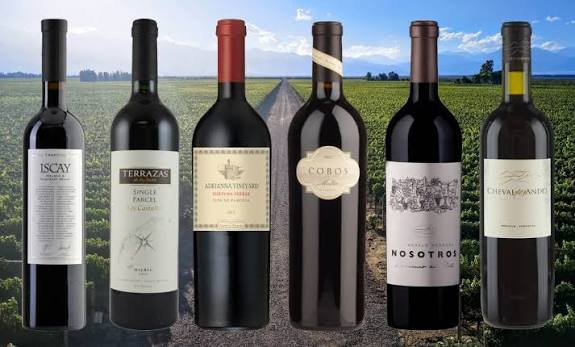
Ordering wine at an Argentine restaurant is an opportunity to discover much more than Malbec. Argentina produces expressive reds, aromatic white wines, elegant Pinot Noir, refreshing sparkling wines and other styles that pair beautifully with local food.
Whether you’re sitting down for a steak dinner in Buenos Aires, sharing empanadas at a neighborhood restaurant or enjoying a long lunch, this guide will help you choose an Argentine wine that suits your meal, taste and budget.
Why Malbec Is the Classic Argentine Restaurant Wine
Malbec is Argentina’s signature grape and an obvious starting point for anyone exploring the country’s wine list. Originally associated with southwest France, the variety found a distinctive home in Argentina, particularly in Mendoza. The country’s different elevations, soils and growing conditions allow winemakers to produce Malbecs with a range of styles.
Many Argentine Malbecs feature dark fruit flavors, such as plum and blackberry, with notes that may suggest violet, herbs, cocoa or spice. The exact character depends on the vineyard, climate, winemaking methods and age of the wine.
Best food pairings for Malbec
Try Malbec with bife de chorizo, ojo de bife, asado de tira, grilled lamb or beef empanadas. Its fruit, body and tannins often complement grilled meat, especially when the dish has a browned crust or smoky flavors.
Ordering tip: If you want a classic Argentine food-and-wine experience, ask for a Mendoza Malbec to accompany your steak.
Should you choose a young or aged Malbec?
A younger Malbec is often fruit-forward and approachable, making it a useful choice for a casual meal. A more structured or oak-aged version may have additional complexity, with notes of spice, cedar, tobacco or cocoa. These characteristics vary, so check the description or ask the sommelier rather than relying on age alone.
10 Argentine Wines to Order at Restaurants
Use this guide to explore different grape varieties and styles. Search by name or filter the selection based on whether you want red wine, white wine or something sparkling.
Showing 10 wines.
1. Malbec
A versatile Argentine classic, often showing dark fruit, soft-to-moderate tannins and a rounded palate. Style varies from fresh and fruity to concentrated and complex.
Pair with: Steak, asado, grilled sausages and beef empanadas.
Choose it if: You want a reliable starting point for Argentine wine.
2. Bonarda
A red variety widely planted in Argentina, often associated with juicy fruit, generous color and an approachable style. Some examples are light and easygoing; others have considerable structure.
Pair with: Pizza, pasta with tomato sauce, grilled meats and picadas.
Choose it if: You want to explore a popular Argentine red beyond Malbec.
3. Cabernet Sauvignon
Often more structured, with firm tannins and flavors that may include blackcurrant, dark fruit, herbs and spice. Argentine versions can differ significantly by region and producer.
Pair with: Ribeye, grilled lamb, rich meat dishes and aged hard cheeses.
Choose it if: You like a fuller red with a firmer finish.
4. Cabernet Franc
An increasingly interesting option for wine drinkers who appreciate reds with fresh acidity, herbal notes and layers of red or dark fruit. Some examples are elegant rather than heavy.
Pair with: Roast beef, grilled vegetables, lamb and herb-seasoned dishes.
Choose it if: You want something distinctive with more savory character.
5. Pinot Noir
Usually lighter in body than many Malbecs or Cabernet Sauvignons, with red-fruit flavors and lively acidity. Patagonia is one Argentine region worth exploring for this variety.
Pair with: Roast chicken, mushrooms, duck and dishes that could be overwhelmed by a powerful red.
Choose it if: You prefer a more delicate red wine.
6. Syrah
A red wine that can show dark fruit, peppery notes and savory spice. Depending on the producer and region, it may be rich and concentrated or fresher and more restrained.
Pair with: Grilled pork, lamb, sausages and strongly seasoned meats.
Choose it if: You enjoy reds with a spicy, savory edge.
7. Torrontés
One of Argentina’s most distinctive white wines, known for its expressive floral and fruity aromas. Many versions are dry, fresh and aromatic, although individual styles differ.
Pair with: Seafood, salads, spicy dishes, empanadas and regional cuisine from northwestern Argentina.
Choose it if: You want to taste a white wine strongly associated with Argentina.
8. Chardonnay
A flexible white grape that can produce crisp, fresh wines or fuller examples with creamy textures and oak influence. The menu description can help you identify the style.
Pair with: Roast chicken, creamy pasta, grilled fish and dishes with butter-based sauces.
Choose it if: You want a familiar white wine with options ranging from crisp to rich.
9. Sauvignon Blanc
Often fresh and lively, with citrus, herbal or green-fruit notes. It can be a refreshing contrast to rich sauces and fried starters.
Pair with: Seafood, salads, fresh cheeses and lighter starters.
Choose it if: You prefer crisp white wines with refreshing acidity.
10. Argentine sparkling wine
Argentina also produces sparkling wines in different styles, from fresh and dry bottles to richer versions. Check whether the wine is brut, extra brut, demi-sec or another style.
Pair with: Aperitifs, seafood, salty snacks, celebrations and suitable desserts depending on sweetness.
Choose it if: You want bubbles before dinner or a wine for a toast.
Argentine Wine Regions: What to Look for on the Label
The region listed on a wine bottle can offer clues about its style. It does not guarantee a particular flavor, but it helps narrow down what to try.
Mendoza
Argentina’s best-known wine-producing province and an essential starting point for Malbec. Its subregions and varied elevations produce wines ranging from fresh and fruit-driven to structured and age-worthy.
Try: Malbec, Cabernet Sauvignon, Bonarda and Chardonnay.
Salta and the Calchaquí Valleys
High-altitude vineyards in northwestern Argentina are particularly associated with aromatic white wines. Torrontés is a strong choice if you want to explore the region’s signature style.
Try: Torrontés and selected high-altitude reds.
Patagonia: Neuquén and Río Negro
Southern wine regions offer a different setting from Mendoza’s best-known vineyards. Pinot Noir and other varieties can show fresh acidity and distinctive regional character.
Try: Pinot Noir, Merlot and selected Chardonnay.
San Juan and La Rioja
These provinces contribute to Argentina’s diverse wine landscape, including red varieties grown in dry, sunny conditions. Their bottles can be worth exploring when a restaurant offers regional selections.
Try: Bonarda, Syrah and other regional reds.
These are general regional associations, not strict rules. Producers, vineyard elevation, harvest conditions and winemaking choices all influence the finished wine.
Which Argentine Wine Goes Best With Your Food?
Wine pairing doesn’t need to be complicated. Start with the main ingredient, the cooking method and the intensity of the dish. A bold red can complement grilled beef, while fresh white wine may work better with seafood or lighter starters.
| What you’re eating | Wine to consider | Why it can work |
|---|---|---|
| Bife de chorizo or ojo de bife | Malbec or Cabernet Sauvignon | Fruit and structure can complement rich, browned beef. |
| Asado de tira or grilled lamb | Malbec, Syrah or Cabernet Franc | Matches the intensity and smoky, savory flavors of grilled meat. |
| Beef empanadas | Malbec or Bonarda | Red fruit and moderate structure can suit the seasoned filling. |
| Provoleta or a cheese platter | Malbec, Bonarda or sparkling wine | Choose according to the richness and saltiness of the cheese. |
| Seafood or grilled fish | Torrontés, Sauvignon Blanc or Chardonnay | Freshness and acidity can balance delicate flavors. |
| Milanesa napolitana | Bonarda, Malbec or a lighter red | Can complement the breaded meat, tomato sauce and melted cheese. |
| Pizza and pasta with tomato sauce | Bonarda, Malbec or another fruit-forward red | Fruit and acidity can work well with tomato and savory toppings. |
| Flan or dulce de leche dessert | A suitably sweet dessert wine or coffee | A very dry wine may taste sharper beside a sweet dessert. |
A simple rule for ordering
Match the wine’s intensity to the dish. Choose fuller reds for rich grilled meat, fresh whites for lighter dishes, and consider sparkling wine when you want something versatile for an aperitif or celebration.
These are starting points, not strict rules. If you prefer white wine with steak or a lighter red with a hearty meal, choose what you enjoy.
How to Order Argentine Wine at a Restaurant
You don’t need to know every grape variety to make a good choice. Follow these steps to find a bottle that suits your dinner.
- Decide on the style. Choose red, white or sparkling before looking at individual bottles.
- Think about the food. Malbec is a natural option for steak, while Torrontés or Sauvignon Blanc can be good starting points for seafood and lighter dishes.
- Set your budget. Ask for options within a price range. Restaurant wine prices can differ considerably from retail prices.
- Ask about the region. Mendoza Malbec and Salta Torrontés are useful choices when you want to explore regional identity.
- Check the serving size. If you are dining alone or only want one glass, ask whether the restaurant serves wine by the glass.
- Ask for help if needed. A sommelier or server can suggest a bottle based on your meal and preferences.
Useful Spanish phrases for ordering wine
What wine do you recommend with the barbecue?
Do you have Malbec by the glass?
What options do you have within this budget?
I prefer a smoother or less intense wine.
Could you show me the wine list?
Wine List Terms You Should Know
- Copa: A glass of wine.
- Botella: A bottle.
- Vino tinto: Red wine.
- Vino blanco: White wine.
- Vino rosado: Rosé wine.
- Espumante: Sparkling wine.
- Seco: Dry, meaning relatively little residual sugar.
- Brut: A category used for sparkling wine with relatively low residual sugar.
- Crianza or añejamiento: Terms relating to aging; the precise meaning and labeling rules depend on the wine and applicable regulations.
- Bodega: A winery or wine producer, and sometimes the cellar where wine is stored.
Frequently Asked Questions About Argentine Wine
What is the best Argentine wine to order with steak?
Malbec is a classic choice with Argentine steak. Cabernet Sauvignon, Bonarda and Syrah can also work well, depending on the cut, seasoning and your personal taste.
Is Malbec the only wine Argentina is known for?
No. Argentina also produces Bonarda, Cabernet Sauvignon, Cabernet Franc, Pinot Noir, Syrah, Torrontés, Chardonnay, Sauvignon Blanc and sparkling wines, among others. Torrontés is particularly associated with Argentina’s white wines.
Which Argentine white wine should I try first?
Torrontés is an excellent starting point if you want to taste a variety strongly associated with Argentina. Its aromatic, floral character is distinctive. If you prefer a crisper, more restrained style, consider Sauvignon Blanc.
Is Mendoza the best region for Argentine wine?
Mendoza is Argentina’s best-known wine region and a major source of Malbec, but it is not the only region worth exploring. Salta is known for high-altitude wines and Torrontés, while Patagonia offers interesting examples of Pinot Noir and other varieties.
Should I order wine by the glass or by the bottle?
Wine by the glass is useful if you are dining alone, want to compare styles or prefer not to finish a bottle. A bottle can offer better value in some restaurants when several people are sharing, but compare the listed prices.
What does a bottle of Argentine wine cost at a restaurant?
Prices depend on the restaurant, producer, vintage, region and bottle size. Fine-dining restaurants may charge considerably more than casual neighborhood restaurants. Check the current wine list and ask about bottles within your budget rather than relying on a fixed price estimate.
Can I drink white wine with Argentine barbecue?
Absolutely. Malbec is a traditional pairing, but wine choice is personal. A fuller Chardonnay can work with rich grilled dishes, while a fresh white may be refreshing with lighter meats, salads or seafood.
What is the difference between Malbec and Bonarda?
Both are red grape varieties, but their profiles vary. Malbec often shows dark fruit and a rounded structure, while many Bonardas emphasize juicy fruit and an approachable character. The producer and region make a difference, so trying both is the best way to compare them.
Final Thoughts: Explore Argentine Wine Beyond Malbec
Malbec deserves its reputation as a classic choice for Argentine steak, but a restaurant wine list can reveal much more. Try Bonarda with pizza or empanadas, Torrontés with seafood or regional dishes, and Pinot Noir when you prefer a lighter red. Sparkling wine is another option for starting a meal or celebrating a special occasion.
The easiest way to choose is to consider your food, decide what style you enjoy and ask the restaurant for a recommendation within your budget. You may discover a new favorite beyond Argentina’s most famous grape.
Enjoy wine responsibly and follow local laws regarding alcohol consumption.