
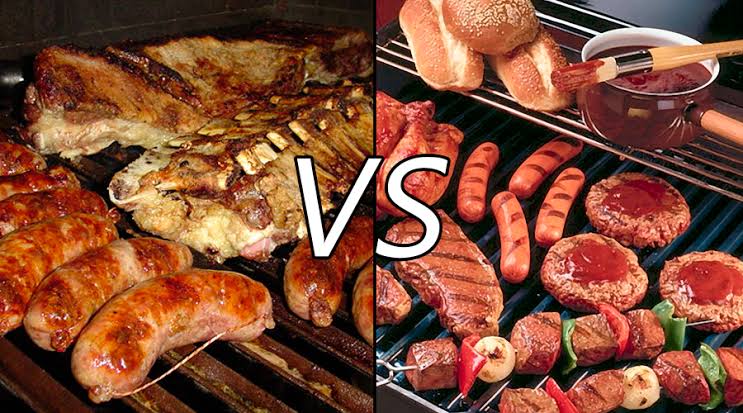
If you’re exploring Argentina’s food culture, you’ve probably seen the words asado and parrilla everywhere. Both are closely connected to grilled meat, but they don’t mean exactly the same thing. An asado can be a barbecue meal, a social gathering or even a particular beef cut. A parrilla is the grill used to cook the meat and, in everyday Argentine Spanish, often the restaurant where grilled meat is served.
Understanding the difference will help you choose where to eat in Buenos Aires, recognize traditional Argentine dishes and appreciate why sharing food around a fire is such an important part of local culture.
- Asado: The Argentine barbecue tradition, the meal or gathering, and sometimes a specific cut of beef.
- Parrilla: The grill or grate used to cook meat; it also commonly means a steakhouse or grilled-meat restaurant.
- Asador: The person responsible for managing the fire and cooking the meat.
- Parrillada: A mixed selection of grilled meats, often including different cuts and offal.
Travel tip: If you want to eat grilled beef in Buenos Aires, look for a restaurant called a parrilla. If someone invites you to an asado, they’re usually inviting you to a barbecue meal or gathering.
What Is an Asado in Argentina?
In Argentina, asado is much more than meat cooked over a fire. It is a longstanding culinary tradition and a social occasion that brings family members, friends and colleagues together. An asado often takes place at home, in a backyard, on a terrace or at a countryside gathering.
Preparing an asado takes time. The person in charge, known as the asador, prepares the fire, manages the embers and cooks the meat carefully. Rather than rushing everything onto a hot grill, traditional cooking often involves controlling the heat and cooking different cuts at different speeds.
Guests may chat, enjoy drinks and share small bites while waiting for the food. Chorizo, morcilla and other starters can come first, followed by beef ribs, vacío, entraña or other cuts. Salads, potatoes, chimichurri and salsa criolla may accompany the meat.
Why is asado so important to Argentine culture?
The experience is about hospitality as much as food. The preparation creates an opportunity for people to spend time together, tell stories and share a long meal. The person tending the fire plays a central role, and guests commonly show appreciation for the asador’s work.
Asado is strongly associated with weekends and family gatherings, but it can happen on many occasions. It is not limited to a particular holiday, restaurant or cut of meat.
What Is a Parrilla?
The word parrilla has two common meanings in Argentina. First, it refers to the grill or grate on which meat is cooked. Second, it commonly refers to a restaurant specializing in grilled meat, similar to what English speakers call a steakhouse or Argentine barbecue restaurant.
At a traditional parrilla in Buenos Aires, you may see a large grill behind the counter, with the parrillero working over glowing embers. The menu often features different beef cuts, sausages, offal and familiar side dishes. Some restaurants use traditional presentations, while modern parrillas may offer more elaborate dishes and contemporary dining rooms.
What can you order at a parrilla?
- Bife de chorizo: A strip-steak-style cut with a meaty texture.
- Ojo de bife: A ribeye-style cut known for its marbling.
- Entraña: A flavorful, skirt-steak-style cut.
- Asado de tira: Beef ribs cut across the bones into strips.
- Vacío: A popular flank or flank-like cut, depending on the butchery comparison.
- Chorizo: Grilled sausage, often served as a starter or in a choripán sandwich.
- Morcilla: Blood sausage, commonly served as part of a mixed grill.
Not every parrilla offers the same cuts, portion sizes or cooking style. Ask the server for recommendations if you’re unfamiliar with the menu.
Asado vs. Parrilla: Main Differences
| Feature | Asado | Parrilla |
|---|---|---|
| Meaning | A barbecue tradition, meal or social gathering; can also name a beef cut. | A grill or a restaurant specializing in grilled food. |
| Typical setting | A home, backyard, terrace, countryside gathering or hosted event. | A restaurant, steakhouse or outdoor cooking area. |
| Who cooks? | An asador, often a family member or host. | A parrillero or grill cook working at the restaurant. |
| Atmosphere | Usually informal, social and unhurried. | Can range from casual neighborhood dining to upscale restaurant service. |
| How you eat | Often shared over several rounds of food. | Usually ordered from a menu, individually or for the table. |
| How to experience it | Join a local gathering or book a hosted asado experience. | Choose a restaurant that serves grilled meat. |
These are common uses rather than strict rules. The words can overlap, and Argentinians may use them differently depending on context.
What Is the Difference Between Asado and Parrillada?
These two words are also easy to confuse. Asado can describe the wider barbecue tradition or the meal being prepared. A parrillada generally refers to an assortment of grilled meats served together.
Depending on the restaurant, a parrillada may include beef cuts, chorizo, morcilla and achuras, a term for offal such as sweetbreads, kidneys or intestines. Some mixed grills also include other meats or vegetables. The exact selection varies by establishment.
If you see parrillada para dos on a menu, it usually means a mixed grill intended for two people. Confirm the contents and portion size before ordering, especially if you’re not accustomed to eating offal.
Does an Asado Use a Different Grill From a Parrilla?
Not necessarily. An asado is often cooked on a parrilla, so the two terms do not describe competing cooking methods. The traditional grill may have an adjustable grate that allows the cook to raise or lower the meat in relation to the embers.
The heat source can be charcoal, wood embers or a combination, depending on the cook, the region and the setup. Some rural and traditional preparations also use an iron cross or spit arrangement, known as asado a la cruz, for cooking larger pieces of meat beside a fire.
What matters is how the fire is managed. The asador or parrillero controls the heat, watches the meat and adjusts the cooking time. Argentine barbecue is not defined by one single piece of equipment.
Which Should You Choose in Buenos Aires?
If you are visiting Buenos Aires and want to experience Argentine barbecue, the right choice depends on whether you want a restaurant meal or a more social gathering.
Choose a parrilla restaurant
Best if you want to explore the local food scene, order specific cuts from a menu, compare restaurants and enjoy a meal without organizing the cooking yourself.
Experience an asado gathering
Best if you want to understand the social side of Argentine barbecue, watch how the fire is managed and enjoy a slower meal with a host or group.
Find the right Argentine barbecue experience
What kind of experience are you looking for?
Choose a restaurant where you can order traditional cuts and ask the staff about the menu and cooking style.
What to Eat at Your First Argentine Asado
If you have the chance to attend a traditional asado, expect more than one large steak. Food is often served in stages, with different cuts arriving as they finish cooking.
1. Start with chorizo or morcilla
Grilled chorizo sausage is a familiar favorite and may be served in bread as a choripán. Morcilla is a blood sausage with a different texture and flavor. Both are common starters, though not every gathering serves the same selection.
2. Try traditional beef cuts
Asado de tira, vacío and entraña are among the cuts you may encounter. The host or cook may serve them in stages rather than bringing every dish to the table at once.
3. Add chimichurri or salsa criolla
Chimichurri is an herb-based condiment commonly made with ingredients such as parsley, garlic, oregano, oil and vinegar. Salsa criolla usually features chopped vegetables such as onion, tomato and pepper. Recipes vary, and both are often served alongside grilled meat.
4. Leave room for the full meal
An asado can last several hours, particularly when friends and family gather for the occasion. Pace yourself, enjoy the conversation and remember that the experience is about spending time together as much as it is about the food.
Useful Spanish Phrases for Ordering at a Parrilla
Is this a parrilla restaurant?
¿Este restaurante es una parrilla?
What cut of meat do you recommend?
¿Qué corte de carne me recomienda?
What does the mixed grill include?
¿Qué incluye la parrillada?
Is the portion enough for two people?
¿La porción alcanza para dos personas?
I’d like to try traditional Argentine barbecue.
Me gustaría probar un asado tradicional argentino.
Frequently Asked Questions
Is asado the same as barbecue?
Asado is often translated as barbecue, but in Argentina it also refers to a distinctive food tradition and social gathering. It commonly centers on meat cooked over embers and shared with family or friends.
Is parrilla the same as a steakhouse?
In everyday Argentine Spanish, parrilla often means a restaurant specializing in grilled meat, making “steakhouse” a useful English equivalent. The word also refers to the grill itself.
What is an asador?
An asador is the person who manages the fire and cooks the meat during an asado. At a restaurant, the grill cook is commonly called a parrillero.
What is parrillada?
Parrillada usually means an assortment of grilled meats served together. Depending on the restaurant, it can include beef, sausages and offal, so ask about the ingredients if you have preferences.
Can I experience an asado as a tourist?
Yes. You can look for hosted asado experiences, cooking activities or countryside visits that include a barbecue. Check what is included and whether the event offers a demonstration, a shared meal or both.
Is a parrilla more expensive than a traditional asado?
Not necessarily. Restaurant prices vary by location, cut, portion size and service. A private asado has different costs because the host typically buys the ingredients and prepares the meal. Compare the specific experience rather than assuming one is always cheaper.
Does every asado use beef?
Beef is central to the Argentine tradition, but an asado can also include pork, chicken, sausages and vegetables. The selection depends on the cook and the preferences of the group.
Final Verdict: Asado or Parrilla?
The difference between asado and parrilla is mainly about meaning and context. Asado describes a barbecue tradition, a meal or a social gathering, while parrilla refers to the grill or the restaurant where grilled food is served. The two are closely connected because an asado is often cooked on a parrilla.
For visitors to Buenos Aires, a parrilla is an easy way to explore Argentine beef and traditional cuts. If you want a deeper cultural experience, joining an asado gives you a chance to see the fire, preparation and shared meal as part of one tradition.
To learn more, read the official Buenos Aires tourism guide to parrillas and the city’s guide to asado as an Argentine ritual.