
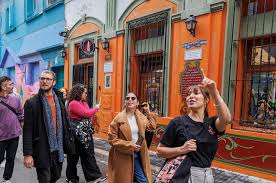
Buenos Aires is a fantastic city for food lovers, but knowing what to order, which neighborhoods to explore and where to find authentic local flavors can be challenging on a first visit. A guided food tour promises to make that experience easier. But is it really worth paying for one when you could visit restaurants and cafés on your own?
The answer depends on what you value. Food tours can provide tastings, cultural context, local recommendations and a convenient way to discover Argentine cuisine. However, independent dining is often better for travelers who want complete control over their budget, portions and restaurant choices.
Are Buenos Aires Food Tours Worth It?
Yes, for many first-time visitors — if you value more than the food itself. A good tour combines several tastings with a knowledgeable guide, local stories and recommendations you can use during the rest of your stay.
If your only goal is to eat Argentine steak, empanadas or pizza for the lowest possible price, you can usually spend less by ordering directly at local restaurants. You do not need a tour to experience Buenos Aires’ food scene.
First-time visitors
A guide can explain unfamiliar dishes, demonstrate how locals order and help you discover food traditions beyond the most obvious tourist choices.
Curious food travelers
Tastings may include empanadas, Argentine beef, regional cheeses, wine, traditional sweets and other foods in one organized experience.
Experienced independent diners
If you already know the cuisine and have a restaurant list, booking tables yourself may offer better value and greater flexibility.
Budget travelers
Street food, bakeries, neighborhood cafés and casual restaurants can provide a satisfying food experience without paying for a guide.
How Much Do Buenos Aires Food Tours Cost?
Prices vary according to the tour operator, group size, duration, number of tastings, included drinks and whether the experience is private or shared. As an indicative planning range, some group food tours are advertised around US$60–US$100 per person, while premium or private experiences can cost more. These figures are a rough guide rather than a guaranteed current price.
Listings available online have included experiences from roughly US$69 for certain walking tours to around US$90–US$100 for longer tasting experiences. Always check the live price, currency, date and inclusions before booking.
| Experience type | Indicative budget | What to expect |
|---|---|---|
| Short walking food tour | About US$60–US$80 | Several tastings, a neighborhood walk and guide commentary |
| Longer food and drink tour | About US$80–US$110 | More stops, a broader selection of dishes and possibly wine or other drinks |
| Private or premium experience | Often above US$100 | More personal attention, a specialized itinerary or a more exclusive setting |
| Self-guided food crawl | Flexible | You choose the restaurants, number of dishes and total spending |
Prices are illustrative budgeting estimates, not fixed rates. Tour operators may change their prices, inclusions, cancellation terms and meeting locations. Check the total payable amount before confirming a reservation.
What is usually included in the price?
Many walking food tours include a guide and a planned series of tastings. Depending on the product, those tastings might replace a light meal or form a substantial lunch or dinner. Some tours include wine, beer or other drinks; others charge separately.
Before paying, confirm whether the price includes:
- All food tastings or only a specified selection.
- Wine, beer, soft drinks or water.
- A full meal or smaller sample portions.
- Hotel pickup, transportation or only a central meeting point.
- Gratuities, taxes and booking fees, where applicable.
- Free cancellation or changes to your reservation.
What Food Will You Try on a Buenos Aires Food Tour?
The exact menu depends on the operator and neighborhood, but a traditional Argentine food tour often focuses on familiar local dishes and the stories behind them.
1. Empanadas
Empanadas are baked or fried pastries filled with ingredients such as beef, chicken, ham and cheese or vegetables. Beef versions are especially popular, and regional recipes differ in seasoning, fillings and preparation. A guide may explain how empanadas vary across Argentina and how to recognize different styles.
2. Argentine beef and asado
Argentine beef is a major attraction for many visitors. A tour may introduce traditional cuts, parrilla cooking and the role of asado in local food culture. Some experiences include a full grilled-meat course, while others offer a smaller tasting. Ask about portion sizes if steak is your main reason for booking.
3. Choripán
Choripán is a sandwich made with grilled chorizo, usually served in bread with chimichurri or other sauces. It is associated with casual outdoor eating, football culture and neighborhood grills. It is a useful introduction to Argentina’s informal food traditions.
4. Argentine pizza
Buenos Aires has its own distinctive pizza culture, influenced by Italian immigration. Some local styles feature thick, airy dough and generous cheese. Fugazzeta, a pizza filled or topped with onion and cheese, is another dish worth knowing. Not every food tour includes pizza, so check the itinerary if it is important to you.
5. Cheese, cured meats and regional products
Some tours include a tasting of cheese, salami, cured meats or other products that pair well with wine. These stops can introduce visitors to flavors and food traditions that are easy to overlook when ordering only restaurant meals.
6. Argentine wine
Wine tastings may feature Malbec or other Argentine varieties. A guide can explain how wine regions, grape varieties and food pairings influence local dining. Confirm whether wine is included, as alcoholic drinks are not part of every tour.
7. Dulce de leche, alfajores and ice cream
Many visitors want to try Argentina’s famous sweets. Depending on the tour, dessert stops might include alfajores, dulce de leche, pastries or ice cream. If these are priorities, check the tasting list rather than assuming every experience includes them.
Which Neighborhood Is Best for a Buenos Aires Food Tour?
Palermo: A varied introduction to the city’s food scene
Palermo is a popular choice for visitors interested in restaurants, bars, specialty cafés and contemporary dining. Tours in this area may combine traditional Argentine foods with newer restaurants, drinks and neighborhood exploration.
Choose Palermo if you want a broad introduction to the city’s food scene and enjoy a lively atmosphere. It can be a good starting point for travelers who also want recommendations for independent dinners later in their trip.
San Telmo: Traditional atmosphere and historic streets
San Telmo is known for its historic character, cobblestone streets, market culture and traditional restaurants. A food tour here can combine tastings with stories about the neighborhood and its place in Buenos Aires history.
Choose San Telmo if you like markets, traditional settings and the idea of connecting local food with the city’s past. Confirm the route and opening hours if the tour depends on a market visit.
Recoleta and central Buenos Aires: Cafés and classic dining
Depending on the operator, tours in or around central Buenos Aires may feature historic cafés, pastries, traditional bakeries or classic restaurant culture. These can be a good fit if you want to learn about the city’s European influences and its coffee-and-pastry traditions.
Which area should you choose?
| Neighborhood | Best for | What to look for |
|---|---|---|
| Palermo | First-time food travelers and restaurant variety | Empanadas, grilled meats, drinks and contemporary food stops |
| San Telmo | History, markets and traditional atmosphere | Classic Argentine dishes, market tastings and local stories |
| Recoleta / central area | Cafés, pastries and classic city culture | Traditional cafés, bakeries and regional sweets |
Food Tour vs. Eating Independently: Which Offers Better Value?
The fairest comparison is not simply the tour price versus the price of one restaurant meal. A tour may include several tastings, a guide, neighborhood context and the convenience of having a route planned in advance.
| Factor | Guided food tour | Independent dining |
|---|---|---|
| Planning | Route and stops are organized for you | You research and choose every stop |
| Food variety | Several planned tastings in one outing | You control what and how much you order |
| Local context | Guide can explain dishes, traditions and neighborhoods | You research independently or ask restaurant staff |
| Budget control | More predictable if inclusions are clearly stated | Very flexible, from casual snacks to fine dining |
| Flexibility | Usually follows a set schedule and route | You can change plans, linger or leave at any time |
| Social experience | Opportunity to meet other travelers | Depends on where and with whom you dine |
Example: How to think about the cost
Imagine a guided tour costs US$85 per person. If it includes several substantial tastings, drinks and a three-hour guided experience, you are paying for a combination of food, service, organization and cultural context.
If you only want an empanada, a steak dinner and an ice cream, ordering these independently may cost less, depending on your restaurant choices. However, the self-guided option requires you to research the venues, plan the route and pay separately at each stop.
The tour is better value when you genuinely want the full experience. Independent dining is usually more attractive when price, portion control and flexibility matter most.
How to Choose a Good Buenos Aires Food Tour
Read the menu, not just the marketing
Look for a detailed description of the dishes and stops. Phrases such as “local food experience” may sound appealing, but a useful itinerary should explain what you will actually taste and whether the tastings add up to a meal.
Check the group size
Smaller groups can make it easier to ask questions and interact with the guide. Larger groups may offer a more social atmosphere, but can take longer to move between stops. Choose the format that fits your preferences.
Look for specific dietary information
Argentine food tours can be meat-focused, and some itineraries may not suit vegans, vegetarians or travelers who require gluten-free food. Contact the operator before booking and get confirmation of any necessary accommodations. Do not assume substitutions will be available.
Check the walking distance and weather policy
Most walking tours involve time on foot between restaurants and tasting stops. Review the estimated duration, distance, accessibility information and policy for rain or other disruptions.
Read recent reviews critically
Look for repeated comments about the guide’s knowledge, the quality and quantity of food, pacing and whether the tour matches its description. A high rating alone does not guarantee that a particular experience is right for you.
Understand the cancellation policy
Before paying, check the cancellation deadline, refund conditions, minimum group requirements and what happens if the operator cancels. Booking terms differ across companies and platforms.
When Is the Best Time to Take a Food Tour?
For many visitors, the best strategy is to schedule a food tour early in the stay, ideally on the first or second full day. You can use the guide’s recommendations to choose restaurants for the remaining evenings.
Lunch or afternoon tour
A daytime tour can be convenient if you want to see the neighborhood clearly, explore markets where applicable and keep the evening free. Check the tour description to understand how much food is included and whether you will still want dinner afterward.
Evening food tour
An evening tour may suit travelers who want to experience Buenos Aires’ dining atmosphere and sample foods with drinks. Because local dinner schedules can run late, check the starting time and expected finish before planning other activities.
Are Buenos Aires Food Tours Suitable for Everyone?
Solo travelers
A group food tour can be an easy way to meet people while exploring a city. It also provides a structured activity for travelers who prefer not to visit several unfamiliar restaurants alone.
Couples and friends
Food tours work well for travelers who enjoy sampling different dishes together. They can also be a convenient shared activity at the beginning of a trip, especially when everyone has different levels of familiarity with Argentine food.
Families with children
Suitability depends on the tour’s duration, walking route, group policy and menu. Check minimum ages, child pricing, restroom access and whether the planned food is suitable for younger travelers.
Vegetarians, vegans and travelers with allergies
These travelers should verify the menu directly before booking. Traditional Argentine tours may feature beef, cheese, cured meats and pastries. Ask about substitutions, cross-contact procedures and whether the operator can safely meet your requirements.
Our Recommendation: Should You Book One?
A Buenos Aires food tour is most worthwhile when you want a guided introduction to Argentine cuisine rather than simply a meal. The strongest reasons to book are discovering multiple dishes in one outing, understanding local food culture and getting useful recommendations from someone familiar with the area.
If your trip is short, a tour can help you sample several flavors without spending hours researching restaurants. If you have plenty of time, enjoy planning your own meals and are comfortable ordering in Spanish, you can create a rewarding food itinerary independently.
Our verdict: Book a well-reviewed small-group tour if it offers specific tastings you want, clear inclusions and a guide who adds meaningful local context. Skip it if you are primarily looking for the cheapest way to eat.
Where to Compare Buenos Aires Food Tours
These websites can help you compare routes, current prices, group sizes and reviews. Confirm all details on the booking page before purchasing.
- GetYourGuide — Search for Buenos Aires food tours, local tastings and neighborhood walks.
- Viator — Compare Argentine food experiences and read traveler feedback.
- Tripadvisor — Review tour listings and traveler comments before deciding.
- Official Buenos Aires tourism website — Find general visitor information to help plan your stay.
Your Food Tour Booking Checklist
Use this interactive checklist before committing to a tour.
Check the details before booking your experience.
Frequently Asked Questions About Buenos Aires Food Tours
How much should I budget for a Buenos Aires food tour?
Some group tours are advertised around US$60–US$100 per person, while private or premium experiences may cost more. Prices change, so compare the live booking total and verify which tastings and drinks are included.
Will a food tour replace lunch or dinner?
Some tours provide enough food to serve as a meal, while others offer smaller samples. Check the itinerary and ask the operator if you need to know how substantial the tastings will be.
Are food tours in Buenos Aires good for vegetarians?
It depends on the operator. Some tours focus heavily on beef and other animal products. Contact the company before booking to confirm whether vegetarian options are available and suitable for your needs.
Which is better for a food tour: Palermo or San Telmo?
Palermo can be a good fit for restaurant variety and contemporary food experiences. San Telmo may appeal more to visitors interested in historic streets, traditional atmosphere and market culture. The actual itinerary matters more than the neighborhood name alone.
Should I take a food tour on my first day in Buenos Aires?
A tour early in your stay can be useful because you can apply the guide’s restaurant recommendations during the rest of your trip. If you arrive tired or late, book it for your first full day instead.
Are private food tours worth the extra cost?
They can be worthwhile if you want a customized route, more personal interaction or specific dietary accommodations. If you mainly want to sample traditional dishes, a well-organized group tour may provide better value.
Do Buenos Aires food tours include wine?
Some include wine or other drinks, while others focus on food tastings. Check the individual tour description and confirm whether alcoholic drinks are included in the advertised price.
Can I explore Buenos Aires’ food scene without a tour?
Absolutely. You can visit parrillas, pizzerias, bakeries, cafés, markets and ice cream shops independently. A tour is optional and is mainly useful for guidance, convenience and cultural context.
Final Thoughts
Buenos Aires food tours can be worth the money when they combine good tastings, a knowledgeable guide and a well-planned route. They are especially useful for first-time visitors who want to understand Argentine cuisine and discover several local specialties in one outing.
However, you do not need a guided experience to eat well in Buenos Aires. Independent dining offers more flexibility and can cost less, particularly if you enjoy researching restaurants and choosing your own dishes.
Before booking, compare the actual menu, group size, total price and recent reviews. Choose the tour that delivers the experience you want, rather than assuming the most expensive option is automatically the best.