
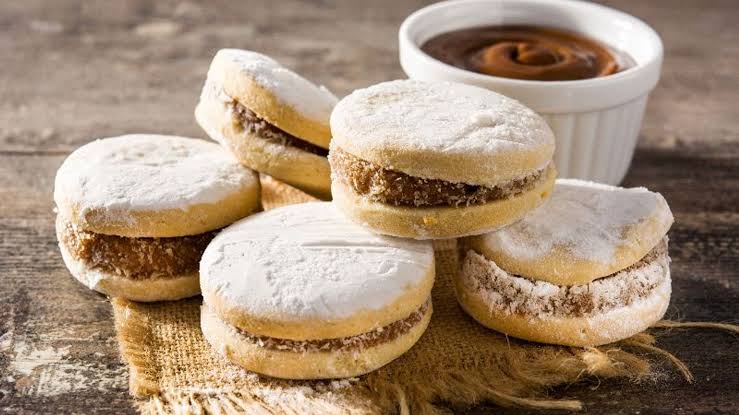
Argentine desserts are a delicious part of the country’s food culture. From rich dulce de leche and soft, chocolate-coated alfajores to creamy flan, homemade-style cakes and pastries enjoyed with coffee, Argentina offers something for every sweet tooth.
Whether you are visiting Buenos Aires, exploring cafés in Córdoba, traveling through Patagonia or looking for authentic Argentine sweets to try at home, this guide explains the most popular desserts, what they taste like, and how to order them.
1. What Is Dulce de Leche?
Dulce de leche is one of Argentina’s most recognizable sweet ingredients. It is made by slowly heating milk and sugar until the mixture becomes thick, smooth and caramel-colored. The result is a rich spread with a sweet, milky flavor and notes similar to caramel.
It appears in bakeries, cafés, ice cream shops and home kitchens throughout the country. Argentines spread it on toast, use it to fill pastries, layer it into cakes, and enjoy it straight from the spoon.
Classic dulce de leche
Thick, creamy and easy to spread. It is commonly used on toast, pancakes, cookies and cakes.
Best for everyday treatsRepostero dulce de leche
A firmer pastry-style version designed to hold its shape inside alfajores, cakes and other baked goods.
Best for bakingDulce de leche ice cream
A popular ice cream flavor that combines a creamy texture with concentrated caramel-like sweetness.
Best for a refreshing dessertChocolate-covered dulce de leche
Often found inside alfajores, where a sweet filling contrasts with a chocolate shell or coating.
Best for chocolate loversHow is dulce de leche different from caramel?
Traditional caramel is generally made by heating sugar, sometimes with butter or cream. Dulce de leche is made primarily from milk and sugar, so it usually has a more pronounced milky flavor and a smooth, spreadable consistency. They may look similar, but they are not the same product.
2. Argentine Alfajores: A Must-Try Sweet
Alfajores are among Argentina’s most beloved snacks. A typical alfajor consists of two soft cookies joined by a filling, usually dulce de leche. The outside may be coated in chocolate, covered with powdered sugar or rolled in grated coconut.
They are sold in supermarkets, kiosks, bakeries, specialty shops and cafés. Some are small enough for a quick snack, while others are generously filled and work as a dessert on their own.
The main types of alfajores
Maicena alfajores
Made with cornstarch-rich cookies that are delicate and crumbly. The edges are often rolled in grated coconut, with dulce de leche in the middle.
Light, crumbly textureChocolate alfajores
Two cookies filled with dulce de leche and coated in chocolate. They are especially popular as packaged snacks.
Rich and indulgentAlfajores de nieve
A regional style associated with Córdoba, often featuring a pale sugar glaze and a soft, cake-like or tender biscuit texture.
Sweet glazed coatingPremium and regional alfajores
Some versions use nuts, fruit preserves, meringue or distinctive regional coatings. Recipes and fillings vary by producer.
Great for souvenirsWhere did alfajores come from?
Alfajores have a long history connected to Spanish and wider Mediterranean confectionery traditions, with influences that developed over time in Latin America. Argentina created its own distinctive styles, making the alfajor a familiar everyday treat and a popular gift for visitors.
How to choose your first alfajor
- For a classic introduction: choose a dulce de leche alfajor.
- For a delicate cookie: try a maicena alfajor.
- For a richer treat: choose one coated in dark or milk chocolate.
- For a souvenir: buy a mixed box from a local bakery or regional producer.
3. Traditional Argentine Desserts You Should Try
Dulce de leche and alfajores are only the beginning. Argentine dessert menus also feature European-influenced pastries, creamy puddings, cakes and regional specialties. Here are some of the most useful names to recognize.
Chocotorta
Chocotorta is a no-bake cake made with layers of chocolate cookies and a creamy mixture commonly prepared with dulce de leche and cream cheese. The cookies are often softened with coffee or milk. Because it requires no oven, it is a popular homemade dessert for birthdays, family gatherings and casual celebrations.
What to expect: a chilled, creamy dessert with chocolate and caramel-like flavors. It is an excellent choice if you prefer cake that is moist rather than fluffy.
Flan con dulce de leche
Flan is a smooth egg custard served with caramel sauce. In Argentina, it is common to order it with dulce de leche, whipped cream or both. The combination is often called flan mixto when dulce de leche and whipped cream are served together.
What to expect: a soft custard with a gentle caramel flavor. Choose flan if you want something creamy without the dense texture of a chocolate cake.
Pastafrola
Pastafrola is a traditional tart with a pastry crust and a lattice top. Its filling is often quince paste, known as dulce de membrillo, although sweet potato paste and other fillings are also used. It is commonly served at home or alongside coffee and mate.
What to expect: a tender, slightly crumbly crust with a dense, fruity filling. It is a good option if you want to try something other than chocolate or dulce de leche.
Rogel cake
Rogel is a layered cake made from thin pastry sheets and dulce de leche, typically topped with a generous layer of meringue. Its multiple layers create a contrast between crisp or tender pastry, a rich filling and a light, sweet topping.
What to expect: a rich dessert that is ideal for sharing after a meal or ordering for a special occasion.
Vigilante dessert
Known as queso y dulce in many contexts, this simple dessert pairs a slice of cheese with a sweet paste, often quince or sweet potato. Its appeal comes from the balance of salty, creamy and sweet flavors.
What to expect: a straightforward, traditional combination rather than a complicated pastry. The cheese and sweet paste vary depending on the region and establishment.
Medialunas
Medialunas are crescent-shaped pastries commonly enjoyed for breakfast or during an afternoon coffee break. They are not exclusively desserts, but their soft, sweet versions are an important part of Argentina’s café culture. You will often see them served with coffee, tea or mate.
What to expect: a tender pastry with a lightly sweet finish. Try one plain first, then look for versions filled with dulce de leche or pastry cream.
Budín de pan
Budín de pan is a bread pudding made with bread, milk, eggs, sugar and flavorings. It is a practical, comforting dessert with a soft texture, often served with caramel sauce or dulce de leche.
What to expect: a homestyle dessert that is less delicate than flan and often has a denser texture.
Helado argentino
Argentina has a strong ice cream tradition, influenced in part by Italian immigration. Ice cream shops, known as heladerías, commonly offer flavors such as dulce de leche, chocolate, sambayón, fruit and cream-based varieties. Recipes differ from shop to shop.
What to expect: rich, creamy ice cream and a wide choice of flavors. If you enjoy caramel, start with dulce de leche; if you prefer a less sweet option, explore fruit-based flavors.
4. Argentine Desserts at a Glance
Use this quick comparison to decide what to order based on texture, flavor and the kind of experience you want.
| Dessert | Main ingredients or features | Flavor and texture | Best for |
|---|---|---|---|
| Dulce de leche | Milk and sugar | Creamy, rich, caramel-like | Spreads and fillings |
| Alfajores | Cookies and filling | Soft, crumbly or chocolate-coated | A snack or edible gift |
| Chocotorta | Chocolate cookies and cream filling | Chilled, creamy, chocolatey | Chocolate lovers |
| Flan mixto | Egg custard, caramel, dulce de leche and cream | Smooth, creamy and sweet | A classic restaurant dessert |
| Pastafrola | Pastry and fruit paste | Crumbly crust, dense filling | Traditional afternoon snacks |
| Rogel | Thin pastry, dulce de leche and meringue | Layered, rich and sweet | Sharing or celebrations |
| Queso y dulce | Cheese and sweet paste | Sweet, savory and creamy | A simple traditional dessert |
| Helado | Milk or cream, sugar and flavorings | Creamy or fruit-forward | A treat any time of day |
5. Regional Argentine Sweets and Specialties
Argentina is a large country, and its dessert traditions reflect regional ingredients, local producers and different culinary influences. When traveling, look beyond the best-known sweets to discover products associated with the area you are visiting.
Córdoba: alfajores and regional confectionery
Córdoba is particularly associated with alfajores and regional sweets. You may find glazed alfajores, chocolate-covered varieties, fruit fillings and boxes designed as souvenirs. Compare products from local bakeries instead of assuming that every alfajor tastes the same.
Patagonia: chocolate and berry flavors
In Patagonian destinations such as Bariloche, chocolate shops and artisanal confectionery are popular stops for visitors. Chocolate bars, bonbons, cakes and ice cream are common choices, while regional fruit flavors may also appear on menus and in preserves.
Northwestern Argentina: local ingredients
The northwest has its own food traditions, including sweets and preserves made with regional fruits and other local ingredients. Depending on the destination, look for products made from quince, sweet potato and locally grown fruit.
Buenos Aires: cafés, bakeries and heladerías
Buenos Aires is a convenient place to sample many Argentine desserts in one trip. Traditional cafés serve pastries and coffee, bakeries sell alfajores and cakes, restaurants offer flan and other classic desserts, and heladerías provide a wide range of ice cream flavors. Explore neighborhood bakeries as well as well-known shops to compare styles.
6. How to Order Desserts in Argentina
Knowing a few Spanish words can make ordering easier, particularly at traditional cafés, neighborhood bakeries and restaurants.
| Spanish phrase | English meaning |
|---|---|
| ¿Qué postres tienen? | What desserts do you have? |
| Un alfajor de dulce de leche, por favor. | A dulce de leche alfajor, please. |
| ¿Tienen flan mixto? | Do you have flan with dulce de leche and whipped cream? |
| Una porción para compartir. | One portion to share. |
| ¿Es casero? | Is it homemade? |
| ¿Tiene frutos secos? | Does it contain nuts? |
| ¿Tiene gluten o lácteos? | Does it contain gluten or dairy? |
| Para llevar, por favor. | To take away, please. |
When do Argentines eat sweets?
Desserts can follow lunch or dinner, but sweet pastries are also common during breakfast and afternoon coffee breaks. The afternoon snack known as merienda often includes coffee, tea or mate alongside pastries, cookies or cake.
Are Argentine desserts expensive?
Prices depend on the city, neighborhood, venue and portion size. Packaged alfajores and bakery pastries are generally convenient options for a smaller purchase, while restaurant desserts and premium chocolates can cost more. Check current menus or shop prices when budgeting for a trip because prices can change frequently.
What about dietary restrictions?
Many traditional Argentine desserts contain milk, eggs, wheat or substantial amounts of sugar. Alfajores made with cornstarch may still contain wheat flour or be exposed to cross-contact, depending on the recipe and kitchen. If you have an allergy, intolerance or dietary requirement, ask the seller to confirm the ingredients and preparation practices rather than relying on the dessert’s name alone.
7. Your Argentine Dessert Bucket List
Planning your own tasting tour? Check off the sweets as you try them. Your progress will update automatically, and you can reset the list whenever you like.
Start checking off your favorites.
8. Frequently Asked Questions About Argentine Desserts
What is the most famous dessert in Argentina?
Dulce de leche is arguably Argentina’s best-known sweet ingredient, while alfajores are among the country’s most recognizable treats. Flan mixto, chocotorta and dulce de leche ice cream are also popular choices.
Are alfajores originally from Argentina?
Alfajores have historical roots in Spanish and Mediterranean confectionery traditions. Argentina developed its own widely loved varieties, including maicena alfajores and chocolate-coated versions filled with dulce de leche.
What does dulce de leche taste like?
Dulce de leche is creamy, sweet and milk-based, with a flavor often compared to caramel. Its consistency ranges from spreadable to thick pastry filling.
What is the difference between alfajores and cookies?
An alfajor usually consists of two cookies or biscuits joined by a filling, commonly dulce de leche. Many versions also have a coating or decorative finish, making them different from an ordinary single cookie.
What is flan mixto in Argentina?
Flan mixto is a serving of flan accompanied by dulce de leche and whipped cream. It is a classic option on many traditional restaurant dessert menus.
Which Argentine desserts are best for souvenirs?
Packaged alfajores, sealed jars of dulce de leche, regional sweets and boxed chocolates are common choices. Check expiration dates, storage instructions and the food import rules that apply when crossing borders.
What should I try first if I have never eaten Argentine desserts?
Start with a classic dulce de leche alfajor. Then try flan mixto if you enjoy custard, chocotorta if you like chocolate, and dulce de leche ice cream for a creamy frozen treat.
Can I find Argentine desserts outside Argentina?
Yes. Argentine bakeries, Latin American grocery stores and online specialty retailers in many countries sell alfajores and dulce de leche. Availability depends on the location and the producer.
Final Thoughts: A Sweet Introduction to Argentina
Argentine desserts offer much more than sweetness. They reflect the country’s café culture, regional traditions, European culinary influences and love of sharing food. Dulce de leche is the essential ingredient to know, alfajores are the perfect portable treat, and desserts such as chocotorta, flan mixto, pastafrola and rogel reveal the variety of Argentina’s sweet side.
If you are visiting Argentina, try different styles rather than sticking to a single favorite. Order an alfajor with coffee, share a slice of cake, visit a neighborhood bakery and finish the day with a scoop of dulce de leche ice cream. It is one of the simplest ways to experience the country’s food culture.
Further Reading
- Visit Argentina — Official tourism website
- UNESCO Intangible Cultural Heritage — Food and culinary traditions
Note: Recipes, ingredients and regional styles can vary by bakery, producer and family tradition. Confirm ingredients directly with the seller when needed.