
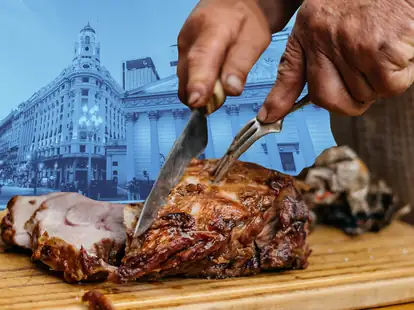
Planning a trip to Buenos Aires or exploring Argentina’s food culture? Understanding the local menu can make ordering much easier. From juicy steaks and handmade empanadas to traditional desserts and mate, Argentine cuisine has its own vocabulary.
This Argentine food glossary explains 40 dishes, ingredients and restaurant terms you’ll commonly encounter. Use the search box to find a dish or filter the list by category.
Search the Argentine Food Glossary
Showing 40 terms.
1. Meat and Parrilla: 1–10
Argentina is famous for grilled beef, but a parrilla menu can include sausages, offal, pork and different cuts that may not have a direct English equivalent. The exact cut and preparation can vary by restaurant.
Asado
Argentine barbecue, both a meal and a social tradition. On a menu, it may also refer to ribs or beef prepared over a grill or embers.
BarbecueParrilla
A grill used to cook meat over heat. The word also describes a restaurant specializing in grilled dishes, similar to a steakhouse.
Restaurant termBife de chorizo
A thick, flavorful boneless steak, generally cut from the striploin area. Despite the name, it is not a sausage.
BeefOjo de bife
A ribeye-style steak known for its marbling and rich flavor. A good choice if you enjoy a tender, juicy cut.
BeefLomo
Beef tenderloin. It is typically lean and tender, making it a popular option for diners who prefer a less fatty steak.
BeefEntraña
A flavorful cut similar to skirt steak. It is usually grilled and often served sliced, with a distinctive texture.
BeefVacío
A traditional cut from the flank area, often cooked slowly on the parrilla. It is valued for its beefy flavor.
BeefAsado de tira
Beef short ribs cut across the bones into strips. Expect a rich taste and meat that may take longer to chew than tenderloin.
RibsChorizo
A seasoned sausage, commonly made with pork or a pork-and-beef mixture. It is frequently served as a starter or in a sandwich.
SausageMorcilla
Blood sausage, often included in a traditional Argentine barbecue. Its flavor and ingredients vary by recipe.
Sausage2. Snacks and Starters: 11–18
These dishes work well for a quick lunch, a casual meal or the first course of a longer dinner. Many are easy to share.
Empanadas
Small pastries filled with ingredients such as beef, chicken, ham and cheese, or vegetables. They may be baked or fried, and regional recipes differ.
PastryChoripán
A grilled chorizo sausage served in bread, often with chimichurri or another sauce. It is a classic street-food and barbecue favorite.
SandwichProvoleta
A slice of provolone-style cheese grilled until soft and golden on the outside. It is commonly seasoned with oregano or chili flakes.
CheesePicada
A sharing platter of small bites, often including cheese, cured meats, olives, bread and other snacks. Think of it as an Argentine-style appetizer board.
Sharing platterMatambre arrollado
A thin cut of meat rolled with fillings such as vegetables, herbs or egg, then cooked and sliced. It is often served cold as a starter.
Cold starterTortilla
In many Argentine restaurants, especially those influenced by Spanish cooking, this means a thick potato-and-egg omelet. Check the description to confirm the ingredients.
Egg dishFainá
A thin, savory flatbread made with chickpea flour, water and oil. In Buenos Aires, it is often eaten alongside a slice of pizza.
Side dishSándwich de miga
A delicate sandwich made with thin, crustless bread and fillings such as ham, cheese, egg or tomato. It is popular at cafés, gatherings and celebrations.
Sandwich3. Main Dishes and Comfort Food: 19–26
Milanesa
A thin piece of beef or chicken coated in breadcrumbs and fried or baked. It is often served with fries, mashed potatoes or salad.
Breaded meatMilanesa napolitana
A milanesa topped with tomato sauce, ham and melted cheese. Despite its Italian-sounding name, this popular version originated in Buenos Aires.
Baked toppingMilanesa a caballo
A breaded cutlet topped with fried eggs. The phrase means “on horseback,” referring to the eggs sitting on top of the meat.
Egg toppingPizza de muzzarella
Argentine mozzarella pizza, often with a generous cheese topping and a substantial crust. Buenos Aires has a distinctive pizza culture shaped by Italian immigration.
PizzaÑoquis
Gnocchi, usually soft dumplings made with potato and flour. A local tradition is to eat them on the 29th of the month.
PastaRavioles
Ravioli: filled pasta typically served with tomato sauce, cream sauce or another accompaniment. Homemade pasta is common in traditional restaurants.
PastaLocro
A hearty stew associated with Andean and Argentine traditions, often prepared with corn, beans, squash and meat. It is especially popular during colder weather and national holidays.
StewHumita
A dish based on fresh corn, commonly combined with onion, seasoning and sometimes cheese. Depending on the region and recipe, it may be cooked in corn husks or served as a creamy mixture.
Corn dish4. Desserts, Bakery Items and Drinks: 27–34
Alfajor
A sweet made from two soft cookies joined by a filling, commonly dulce de leche. It may be coated in chocolate, icing or coconut.
DessertDulce de leche
A thick, sweet milk-based caramel spread used in cakes, pastries, alfajores and ice cream. It is one of Argentina’s best-known sweet ingredients.
Sweet fillingMedialunas
Small crescent-shaped pastries served at breakfast or with coffee. They can be buttery and less sweet or softer and sweeter, depending on the style.
BakeryFlan casero
Homemade-style egg custard, usually served with caramel. It may come with dulce de leche, whipped cream or both.
DessertPastafrola
A shortcrust tart with a lattice top, traditionally filled with quince paste, though sweet potato paste and other fillings are also found.
TartMate
A traditional infusion made from yerba mate leaves and hot water, sipped through a metal straw called a bombilla. Sharing mate is an important social custom.
InfusionCortado
Espresso combined with a smaller amount of warm milk. A good café order if you want coffee with less milk than a latte.
CoffeeMalbec
A red wine variety strongly associated with Argentina, particularly Mendoza. It is often paired with grilled beef, although personal taste matters most.
Wine5. Useful Argentine Menu Words: 35–40
Not everything on a menu is a dish name. These words describe cooking methods, ingredients and the way food is served.
Achuras
Offal or organ meats served at a barbecue. Common examples include sweetbreads (mollejas), kidneys (riñones) and intestines (chinchulines).
Meat vocabularyA punto
Usually means cooked to a medium or just-right level of doneness. Interpretations can differ, so explain your preference if you need a specific result.
Cooking levelBien cocido
Well done or thoroughly cooked. Use this phrase if you prefer your steak cooked through.
Cooking levelGuarnición
A side dish or accompaniment, such as fries, mashed potatoes, vegetables or salad. Check whether it is included in the price.
Menu vocabularyEnsalada mixta
A mixed salad, often made with lettuce and tomato, sometimes with onion. Ingredients vary from one restaurant to another.
Side dishBodegón
A traditional, often casual restaurant known for familiar comfort food, generous portions and a neighborhood atmosphere. It can be an excellent place to try classic Argentine dishes.
Restaurant typeQuick Reference: What Should You Order?
| If you want… | Look for… | What to expect |
|---|---|---|
| A classic steak | Bife de chorizo or ojo de bife | A substantial grilled beef cut |
| A quick, casual meal | Empanadas or choripán | Portable savory food |
| A traditional starter | Provoleta or picada | Grilled cheese or a sharing platter |
| Comfort food | Milanesa napolitana or ñoquis | A hearty main dish |
| Something sweet | Alfajor or flan casero | A classic Argentine dessert |
| A local café experience | Medialunas and cortado | Pastry and coffee |
| A traditional drink | Mate | A herbal infusion with a social tradition |
7 Spanish Phrases to Use at an Argentine Restaurant
You don’t need fluent Spanish to order confidently. These simple phrases can help you understand the menu and communicate your preferences.
What do you recommend?
What does this dish come with?
One beef empanada, please.
What is the side dish?
Without onion, please.
The bill, please.
Do you accept cards?
Tips for Reading Menus in Argentina
- Check portion sizes. Steak and milanesa portions can be generous. Ask whether a dish is suitable for sharing.
- Look for the side dish. Potatoes, salad or other accompaniments may be listed separately as guarniciones.
- Ask about regional variations. Empanada fillings, stew recipes and barbecue cuts can change by province and restaurant.
- Check ingredients if you have allergies. Ask about sauces, dairy, eggs, nuts and cross-contact with other foods.
- Understand the menu context. A parrilla specializes in grilled food, while a bodegón generally offers a broader selection of traditional comfort dishes.
- Don’t assume every dish is uniquely Argentine. Italian and Spanish immigration helped shape Buenos Aires cuisine, while regional traditions add further variety.
Frequently Asked Questions
What is the most famous food in Argentina?
Asado is one of Argentina’s best-known food traditions. Empanadas, milanesa, choripán, dulce de leche and alfajores are also widely recognized favorites.
What does parrilla mean on an Argentine menu?
Parrilla refers to the grill and is also used for a restaurant specializing in grilled meat. Look at the menu to find cuts such as bife de chorizo, ojo de bife, entraña and vacío.
What is the difference between asado and parrilla?
Asado describes the barbecue meal and broader social tradition, and can also name a cut or preparation. Parrilla usually means the grill itself or a restaurant where food is grilled.
What should a first-time visitor eat in Buenos Aires?
A useful starting point is a beef empanada, a choripán, a steak at a parrilla, a medialuna with coffee and an alfajor or flan for dessert. You can adjust your choices to your appetite and dietary needs.
Are Argentine dishes spicy?
Many traditional dishes are savory rather than especially spicy. Some sauces and regional recipes can be hot, so ask whether a dish contains chili if you prefer mild food.
What does a caballo mean on a menu?
It means “on horseback.” In dishes such as milanesa a caballo, the phrase usually indicates fried eggs placed on top of the main ingredient.
What does bodegón mean in Argentina?
A bodegón is a traditional, often informal restaurant associated with familiar dishes and generous servings. The exact style varies, but it is a useful word to recognize when exploring local food.
Sources and Further Reading
For more information about Argentine dishes, steak cuts and local food traditions, consult these official Buenos Aires tourism resources:
- What, Where and When to Eat — Buenos Aires Tourism
- Parrillas of Buenos Aires — Buenos Aires Tourism
- Six Types of Porteño Milanesas — Buenos Aires Tourism
- Experience Buenos Aires Like a Local — Buenos Aires Tourism
Food names, ingredients and preparation methods can vary across Argentina. When in doubt, ask the restaurant about the exact dish and portion size.