
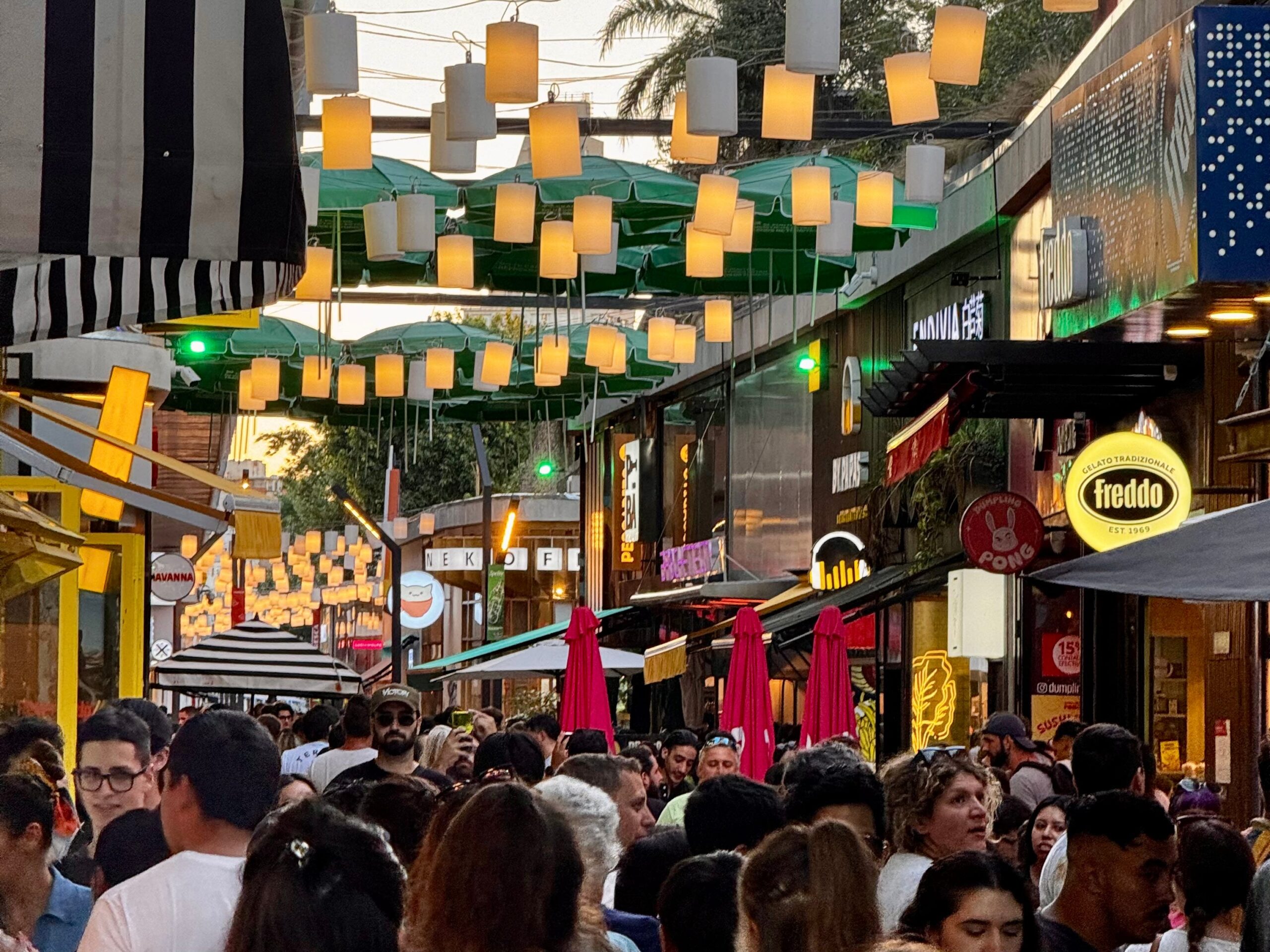
Looking for the best places to eat in Belgrano, Buenos Aires? This leafy neighborhood offers much more than traditional Argentine steakhouses. Its famous Barrio Chino, or Chinatown, is packed with Asian restaurants, noodle shops, sushi counters, bakeries, and casual food spots. A short walk away, neighborhood grills and independent restaurants offer another side of the city’s food culture.
Whether you want handmade dumplings, Japanese food, a relaxed lunch, or a classic Argentine parrilla, Belgrano makes it easy to build a memorable food-focused afternoon or evening.
The best strategy is to explore the area around Juramento, Arribeños, Mendoza, and the pedestrian-friendly dining corridors near the railway. Start with a walk through Chinatown, choose a restaurant that matches your appetite, and leave room for a snack or dessert along the way.
1. Explore Barrio Chino, Belgrano’s Chinatown
Barrio Chino is one of Belgrano’s best-known food destinations. The neighborhood’s Asian community grew significantly during the 1980s, helping establish a distinctive area of restaurants, specialty supermarkets, and shops selling imported ingredients and everyday goods.
The traditional entrance arch at Juramento and Arribeños is an easy landmark. From there, explore the surrounding streets and look for restaurants serving Chinese, Taiwanese-inspired, Japanese, and other Asian dishes. The area’s newer food corridors also bring together different cuisines in a more casual, walk-around setting.
2. Best Places to Eat in Belgrano’s Chinatown
LAI-LAI
A long-running Chinese restaurant that makes a useful stop for familiar comfort dishes and a casual meal. It is a good option for travelers who want to sit down and try several dishes rather than rely only on street food.
What to look for: Stir-fries, rice dishes, and Chinese-style plates to share.
Fujisan
Located on Mendoza Street, Fujisan is an established Japanese restaurant in the Chinatown area. Its restaurant website describes a menu spanning traditional Japanese cuisine, Nikkei influences, and other Asian dishes.
What to look for: Japanese specialties and sushi, depending on the current menu.
Restaurante Mian
Mian is worth considering if you are interested in Chinese noodles and dumplings. It offers an alternative to the more general menus found at some busy restaurants around the main entrance.
What to look for: Noodle soups, dumplings, and other Chinese comfort food.
Hong Kong Style
For a more focused Cantonese-style meal, Hong Kong Style is another name to investigate in the Belgrano area. It is a better fit for diners who want a full restaurant experience rather than a quick snack between shops.
What to look for: Cantonese and Hong Kong-inspired dishes listed on the current menu.
Restaurant menus, ownership, service styles, and opening hours can change. Confirm details directly before making a special trip.
3. Try Something Different at Vía Viva and Pasaje Echeverría
Chinatown’s food scene is no longer limited to traditional Chinese restaurants. The area around Vía Viva and Pasaje Echeverría offers a more modern, informal way to eat, with food counters, small eateries, and spaces where visitors can combine several stops in one outing.
These corridors are useful when everyone in your group wants something different. One person might choose a steamed bun or noodle bowl, while someone else looks for pizza, coffee, or a sweet treat. Some venues operate with counter service or limited seating, so don’t assume every place offers a traditional sit-down restaurant experience.
HKT BAOS
A casual option in the Vía Viva area for Asian-inspired buns and bowls. It suits visitors who want something quick and flavorful while continuing to explore the neighborhood.
Pasaje Echeverría
Think of this pedestrian dining passage as a flexible food stop rather than a single restaurant. Browse the current offerings, compare menus, and choose a place based on what looks appealing that day.
4. Local Favorites Beyond Chinatown
Belgrano is a large neighborhood, so the dining options extend well beyond its Asian food district. If you want a different meal after exploring Chinatown, these options offer a change of pace.
La Anita Parrilla
Argentine barbecue is a natural contrast to Chinatown’s noodle shops and Asian restaurants. La Anita is an option to consider for diners who want grilled meat and traditional parrilla-style dishes in the Belgrano area.
Best for: A hearty lunch or dinner with friends or family.
Gusto Comida Peruana
If you want a break from Asian cuisine, Gusto offers a Peruvian alternative near Chinatown. Its menu highlights ceviche, seafood, and familiar Peruvian dishes.
Best for: Diners who enjoy fresh seafood, citrusy flavors, and a more varied meal.
Nobiru Izakaya
An izakaya-style restaurant is a good choice when you prefer a Japanese meal built around several smaller dishes. Check the current menu for its selection of Japanese favorites.
Best for: Sharing different plates instead of ordering one large main course per person.
Ayguacamole – Belgrano
For tacos and Mexican-inspired food, Ayguacamole is another alternative in the wider Belgrano area. It works well when your group wants a casual meal that feels different from the traditional Argentine and Asian options nearby.
Best for: Tacos, informal dining, and meals with friends.
5. What Should You Eat in Belgrano?
If you’re unsure where to start, choose your food experience first. Belgrano is especially rewarding when you explore a specific craving instead of trying to visit every restaurant in one afternoon.
- For Chinese comfort food: Look for noodle soups, dumplings, stir-fries, and rice dishes.
- For Japanese cuisine: Consider sushi and other Japanese specialties at established restaurants such as Fujisan.
- For a quick bite: Explore the casual counters and food stalls around Vía Viva and Pasaje Echeverría.
- For a traditional Argentine meal: Choose a parrilla and look for grilled cuts, sausages, and classic side dishes.
- For a seafood-focused alternative: Consider a Peruvian restaurant and check the current selection of ceviches and seafood plates.
- For a group with different tastes: The food corridors around Chinatown make it easier to compare options before committing to one place.
6. Find the Right Belgrano Dining Experience
Use this simple guide to narrow down the type of place that best matches your plans.
7. How to Plan a Food Day in Belgrano
A little planning can help you enjoy the neighborhood without rushing from one restaurant to another. Here is a practical itinerary for first-time visitors.
- Start at the Chinatown arch. Meet near the entrance at Juramento and Arribeños, then walk through the main shopping streets.
- Browse the Asian supermarkets. Look for imported snacks, sauces, teas, sweets, and ingredients that are harder to find in ordinary supermarkets.
- Choose a main meal. Pick a Chinese restaurant for noodles and dumplings, or choose Japanese food if that better matches your appetite.
- Walk through Vía Viva or Pasaje Echeverría. Check the available food stalls and casual dining options, and stop for a small snack if something catches your eye.
- Finish with a different flavor. If you’re still hungry, explore a nearby café or plan a separate visit for an Argentine parrilla or Peruvian meal.
8. Practical Tips for Eating in Belgrano
- Check opening hours: Some restaurants close between lunch and dinner, while others serve throughout the day.
- Expect crowds on weekends: Popular streets can become busy, particularly around lunchtime and early evening.
- Review the menu before sitting down: Menus, prices, service charges, and payment methods can vary by establishment.
- Ask about dietary requirements: If you need vegetarian, vegan, gluten-free, or allergy-conscious food, confirm ingredients and preparation directly with the restaurant.
- Bring an appetite for sharing: Ordering a selection of dishes can be a convenient way to sample different flavors with friends or family.
- Keep your itinerary flexible: Exploring the menus and choosing a place in person is part of the Chinatown experience.
Frequently Asked Questions
Is Belgrano’s Chinatown worth visiting for food?
Yes. Barrio Chino is one of Buenos Aires’ recognizable Asian food districts, with Chinese and Japanese restaurants, specialty shops, supermarkets, and casual dining corridors. It is particularly worthwhile if you enjoy trying several types of Asian food.
What is the best street for restaurants in Barrio Chino?
Arribeños and Mendoza are useful streets to explore, especially around the Chinatown entrance near Juramento. Vía Viva and Pasaje Echeverría offer additional casual food options nearby.
Can you find food other than Chinese cuisine in Belgrano?
Absolutely. The area includes Japanese restaurants, casual Asian food, Peruvian cuisine, Argentine grills, Mexican restaurants, cafés, and other options across the wider neighborhood.
Is Chinatown suitable for a casual lunch?
Yes. Many visitors explore the shops and eat during the day. Check the opening hours of your chosen restaurant, since some venues operate separate lunch and dinner services.
Do I need a reservation to eat in Belgrano?
Not always. Casual food counters and smaller eateries may work well without a booking, while popular sit-down restaurants can be busy during peak periods. Contact the restaurant directly if you’re visiting with a large group or have a specific dining time in mind.
What is the easiest way to explore Belgrano’s food scene?
Begin near the Chinatown entrance, walk through Arribeños and Mendoza, choose a restaurant, and then explore the nearby pedestrian food corridors. This lets you combine a meal with shopping and sightseeing without needing a complicated itinerary.
Final Thoughts: Where to Eat in Belgrano
Belgrano is one of Buenos Aires’ most appealing neighborhoods for travelers who want variety. Barrio Chino is the obvious starting point for Chinese noodles, dumplings, Japanese food, and casual Asian dining, while the surrounding streets offer Argentine barbecue, Peruvian specialties, Mexican food, and relaxed places for a snack.
For a first visit, start with the Chinatown arch, choose a restaurant that suits your appetite, and leave time to explore Vía Viva and Pasaje Echeverría. The best meal might be a planned restaurant visit or a discovery you make while walking through the neighborhood.