
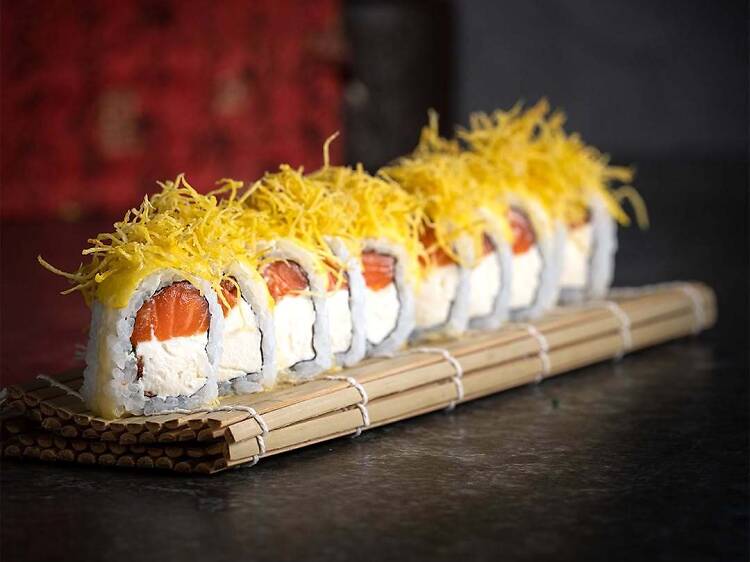
Buenos Aires is famous for steak, pizza and empanadas, but the city also has a diverse Asian dining scene. From carefully prepared Japanese sushi and chef-led omakase menus to Korean specialties, ramen, dumplings and Southeast Asian dishes, there is plenty to explore beyond traditional Argentine cuisine.
Whether you are searching for the best sushi in Buenos Aires, a memorable Nikkei dinner or an informal noodle bar, the right restaurant depends on the experience you want. This guide highlights places to consider, the dishes worth looking for and the neighborhoods that make an Asian food tour easy to plan.
Best Sushi and Asian Restaurants in Buenos Aires
These recommendations cover several Asian cuisines and dining styles. Use the filters to focus on sushi, Japanese food, Korean cuisine or other Asian specialties.
1. Nika Club Omakase
Best for: A special-occasion sushi experience.
Nika Club Omakase puts sushi at the center of a contemporary Japanese dining experience. Its chef-led approach makes it a strong option for diners who want more than a large platter of familiar rolls. The broader kitchen program and carefully considered drinks also make it suitable for a celebratory dinner.
What to try: Ask about the omakase experience and the current seasonal selection. If you enjoy discovering new combinations, let the chef guide the progression of the meal.
Address: Nicaragua 5952, Palermo Hollywood.
Find Nika Club Omakase on Google Maps ↗2. Ichisou
Best for: Diners interested in classic Japanese cuisine.
Ichisou is an established Japanese restaurant known for a more traditional approach to Japanese cooking. It is worth considering if you want to explore beyond elaborate sushi rolls and discover a meal shaped by classic techniques, carefully prepared seafood and Japanese dishes.
What to try: Look for sushi, sashimi and the traditional Japanese specialties on the current menu. Ask the staff which dishes best represent the kitchen.
Address: Venezuela 2145, Balvanera.
Find Ichisou on Google Maps ↗3. Síntesis Tapas Asiáticas
Best for: Sharing a variety of Asian-inspired dishes.
Síntesis Tapas Asiáticas combines Japanese-inspired cooking with broader Asian influences in a format designed for trying several plates. It is an appealing option for diners who want sushi but also enjoy ramen, cooked dishes and a more varied meal.
What to try: Consider a combination of sushi, a noodle dish and smaller plates for the table. Ask about the daily specials and the best dishes to share.
Address: José León Pagano 2689, Buenos Aires.
Find Síntesis on Google Maps ↗4. Osaka Concepción
Best for: A refined Nikkei dining experience.
Osaka brings together Japanese techniques and Peruvian flavors in the style known as Nikkei cuisine. Seafood, sushi, ceviche and tiraditos are natural choices for this kind of menu, while the cocktail program can make the restaurant a good option for a date night or special dinner.
What to try: Explore the seafood dishes and ask about the signature Nikkei preparations. If you are dining with friends, share several plates to compare the different sauces and flavor combinations.
Address: Concepción Arenal 2913, Palermo/Colegiales area.
Find Osaka Concepción on Google Maps ↗5. Namida
Best for: Contemporary sushi with a fusion approach.
Located in Palermo, Namida is an option for diners looking for sushi in a modern setting. It is worth considering if you enjoy creative combinations and want a dinner that feels different from a traditional Japanese restaurant.
What to try: Look for the restaurant’s signature rolls and seafood combinations. Check the current menu to see which options best match your preferences.
Address: El Salvador 5783, Palermo.
Find Namida on Google Maps ↗6. Asian Cantina
Best for: A change from sushi and Japanese food.
Asian Cantina is a good choice for diners interested in the wider flavors of Southeast Asia. Its menu draws on a range of Asian influences, making it a useful option when your group wants aromatic herbs, savory sauces, spice and dishes that are designed to be enjoyed together.
What to try: Ask about the current noodle, curry and seafood dishes. If you enjoy spicy food, let the staff know your preferred heat level.
Address: Humboldt 1626, Palermo Hollywood.
Find Asian Cantina on Google Maps ↗7. Bi Won
Best for: Bold flavors and Korean specialties.
Bi Won is a name to consider if you want to explore Korean cuisine in Buenos Aires. Korean meals offer a different experience from sushi, with fermented flavors, spicy sauces, vegetables and dishes that are often enjoyed as part of a shared meal.
What to try: Ask about Korean barbecue-style dishes, stews or the restaurant’s spicy specialties. Confirm which dishes are available and how spicy they are before ordering.
Address: Av. Dorrego 2415, Buenos Aires.
Find Bi Won on Google Maps ↗8. Bao Kitchen
Best for: Comfort food and a casual Asian meal.
Bao Kitchen is worth exploring if you want dumplings, noodles, soups and other comforting dishes instead of sushi. Its menu includes Chinese- and Taiwanese-inspired options, with vegetarian choices also worth checking if you are dining with a mixed group.
What to try: Look for dumplings and noodle or soup dishes, and ask which fillings are available that day.
Address: Bonpland 1679, Buenos Aires.
Find Bao Kitchen on Google Maps ↗9. Han
Best for: A contemporary Korean dining experience.
Han offers a more intimate, contemporary approach to Korean cuisine. It is a choice for travelers who enjoy chef-led meals, creative presentation and a menu that goes beyond the familiar Korean barbecue format. The experience is better suited to a planned dinner than a quick takeaway meal.
What to try: Ask about the current tasting menu and whether reservations are required. If you have dietary restrictions, communicate them before the meal.
Address: Vera 966, Villa Crespo.
Find Han on Google Maps ↗10. Norimōto
Best for: A casual handroll-focused meal in Recoleta.
Norimōto offers a contemporary Japanese handroll-bar experience. Handrolls, or temaki, are made with nori seaweed, sushi rice and fillings, and are designed to be eaten soon after preparation. This format makes the meal feel different from ordering a large platter of standard sushi rolls.
What to try: Choose a selection of handrolls to compare different seafood and seasoning combinations. Check the restaurant’s current service format before visiting.
Address: Av. Presidente Manuel Quintana 420, Recoleta.
Find Norimōto on Google Maps ↗Which Type of Asian Restaurant Should You Choose?
The best restaurant depends on whether you want a focused sushi experience or a meal built around a particular Asian cuisine. This comparison can help you narrow down your options.
| Dining style | What to expect | Restaurants to consider |
|---|---|---|
| Omakase | A chef-led tasting where the menu follows the kitchen’s selection. | Nika Club Omakase |
| Traditional Japanese | Sushi, sashimi and classic Japanese dishes. | Ichisou |
| Nikkei fusion | Japanese techniques combined with Peruvian ingredients and flavors. | Osaka Concepción, Namida |
| Asian small plates | Several dishes to share, often mixing different regional influences. | Síntesis Tapas Asiáticas, Asian Cantina |
| Korean food | Bold sauces, fermented ingredients, vegetables and hearty dishes. | Bi Won, Han |
| Dumplings and noodles | Casual, comforting dishes with Chinese- or Taiwanese-inspired flavors. | Bao Kitchen |
| Japanese handrolls | Seaweed-wrapped rice and fillings prepared for eating fresh. | Norimōto |
What Is Nikkei Cuisine?
Nikkei cuisine combines Japanese culinary techniques with Peruvian ingredients and flavors. The tradition developed through the Japanese community in Peru and has become an important part of contemporary international dining.
In Buenos Aires, Nikkei menus often feature sushi, ceviche, tiraditos, seafood, citrus-based sauces and creative combinations of texture and spice. This makes a Nikkei restaurant a particularly good choice if you enjoy Japanese food but want something more adventurous than conventional rolls.
Osaka Concepción is a useful starting point for exploring this style. When choosing dishes, ask about the restaurant’s signature seafood preparations and consider sharing several plates rather than ordering only one type of sushi.
Where to Find Asian Restaurants in Buenos Aires
Palermo and Palermo Hollywood
Palermo is one of the most convenient areas for a food-focused evening. Here you can find contemporary sushi, Nikkei fusion, Korean dining and Asian restaurants that serve several types of dishes. It is a good neighborhood to explore if you want dinner followed by cocktails or other nightlife.
Recoleta
Recoleta offers central sightseeing alongside Japanese dining options. It is a useful area for visitors staying near major museums, parks and hotels, and it can work well for a sushi lunch or an evening meal.
Balvanera and the broader central area
Beyond the most fashionable dining districts, the city has established Japanese restaurants and a range of Asian food businesses. These areas can be worth exploring if you are interested in traditional menus rather than only contemporary fusion restaurants.
Buenos Aires Chinatown
The Barrio Chino area around Belgrano is a natural place to explore Chinese groceries, bakeries, casual restaurants and regional Asian foods. It is a good option if you want to turn lunch into a wider neighborhood food walk instead of booking a single formal dinner.
Tips for Choosing a Great Sushi Restaurant
- Decide whether you want rolls or nigiri. Creative rolls are ideal for variety, while nigiri lets you focus on the balance of rice, fish and seasoning.
- Consider omakase for a special occasion. This format lets the chef guide the meal, but it may offer less choice over individual dishes.
- Check the menu before booking. Some restaurants focus mainly on sushi, while others offer cooked dishes, noodles and larger plates.
- Ask about dietary restrictions in advance. Soy sauce, marinades, shellfish and other ingredients may be relevant to allergies or dietary preferences.
- Confirm the price range. Chef-led tastings and premium sushi counters can cost considerably more than casual noodle shops.
- Make a reservation when needed. Small omakase counters have limited seating and may require advance booking.
Frequently Asked Questions
Where can I find the best sushi in Buenos Aires?
Nika Club Omakase is worth considering for a chef-led sushi experience, Ichisou for traditional Japanese dining, and Síntesis Tapas Asiáticas for sushi alongside other Asian dishes. The best option depends on whether you prefer a tasting menu, classic Japanese food or a varied meal with friends.
What is the difference between sushi and Nikkei cuisine?
Sushi is a Japanese preparation centered on seasoned rice, often served with seafood or other toppings. Nikkei cuisine combines Japanese techniques with Peruvian ingredients and flavors, including dishes such as ceviche, tiraditos and creative sushi combinations.
Are there good Japanese restaurants beyond sushi in Buenos Aires?
Yes. Japanese restaurants may also serve sashimi, cooked fish, noodles, soups and other traditional dishes. Ichisou is one option for exploring a more traditional Japanese menu, while Síntesis offers a mix of sushi, ramen and Asian-inspired plates.
Where can I eat Korean food in Buenos Aires?
Bi Won and Han are two options to explore. Check the current menus to compare casual Korean dishes with a more contemporary, chef-led dining experience.
What is the best area for Asian restaurants in Buenos Aires?
Palermo and Palermo Hollywood are convenient for contemporary sushi, Nikkei restaurants and a range of Asian cuisines. Recoleta is useful for central dining, while Belgrano’s Chinatown area is a good choice for exploring Chinese food businesses and Asian groceries.
Do sushi restaurants in Buenos Aires offer vegetarian options?
Many menus include vegetable rolls, avocado, cucumber, tofu or cooked vegetable dishes, but options vary. Ask the restaurant about its current menu and preparation procedures if you are vegetarian or vegan.
Should I reserve a table at an omakase restaurant?
It is a good idea. Omakase restaurants often have a small number of seats and serve a carefully timed tasting menu. Check the restaurant’s booking policy, menu format and cancellation terms before confirming.
Is Asian food in Buenos Aires expensive?
Prices vary widely. Casual noodle shops and dumpling restaurants can suit a more informal meal, while premium sushi, omakase and Nikkei restaurants may be substantially more expensive. Review the current menu or ask about the tasting-menu price before booking.
Travel note: Restaurant addresses, menus, opening hours and booking policies can change. Check the latest information directly with each restaurant before visiting.