
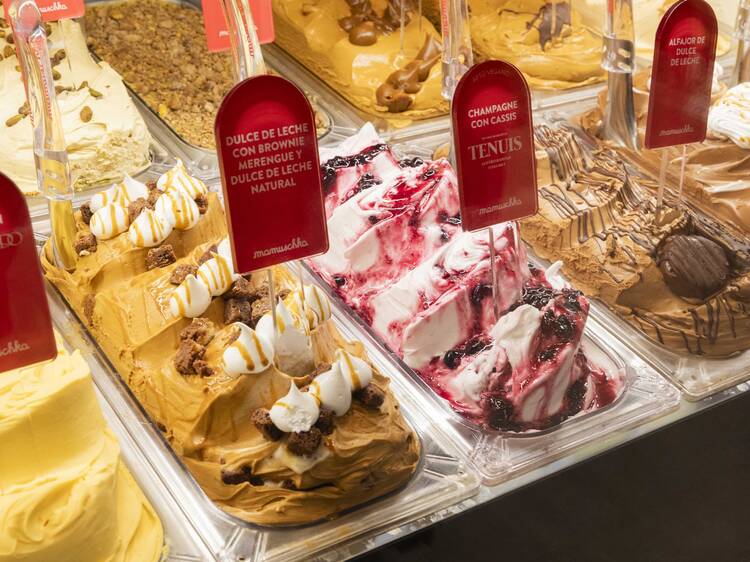
Searching for the best ice cream in Buenos Aires? The Argentine capital takes its helado seriously. Influenced by Italian gelato and shaped by local tastes, Buenos Aires is packed with ice cream shops serving creamy dulce de leche, rich chocolate, pistachio, sambayón and inventive seasonal flavors.
Whether you want a historic heladería, a neighborhood favorite or a modern gelato shop, this guide will help you decide where to go, which flavors to try and how to order ice cream like a local.
8 of the Best Ice Cream Shops in Buenos Aires
Every heladería has its own personality. Some are famous for traditional flavors and family recipes, while others focus on chocolate, premium ingredients or creative combinations. These eight shops offer a useful starting point for exploring the city’s ice cream culture.
Cadore Gelato Artigianale
Av. Corrientes 1695, central Buenos Aires
Cadore is one of the city’s best-known traditional heladerías. Established in 1957 by a family with Italian roots, it has become a landmark for visitors who want to experience Buenos Aires’ long-standing gelato tradition. Its central location on Avenida Corrientes makes it a convenient stop before or after a theater show.
The shop is particularly associated with dulce de leche and carefully made chocolate flavors. Its reputation has also attracted international attention, making it a popular destination for food-minded travelers.
Rapanui
Multiple locations, including Recoleta and Palermo
Originally from Bariloche in Patagonia, Rapanui combines a chocolate-making heritage with an extensive ice cream selection. It’s an appealing choice if you enjoy rich cocoa flavors, nutty combinations and a dessert stop where you can browse chocolates as well as order gelato.
Its shops are often popular, especially during evenings and weekends. If the counter is busy, take a moment to look at the ordering process and ask the staff about the available flavors before deciding.
Scannapieco
Av. Álvarez Thomas 10, Buenos Aires
Scannapieco is a long-running heladería with a family history linked to Italy’s Amalfi Coast. Its traditional character appeals to people who enjoy classic Argentine ice cream without needing elaborate presentation or a trendy dessert setting.
The shop is worth adding to a neighborhood food itinerary if you want to explore the city’s local heladería culture. Classic flavors are a sensible starting point, and the counter is a good place to ask about house specialties or less familiar combinations.
Heladería Gruta
Sucre 2356, Belgrano
Gruta is a classic neighborhood heladería in Belgrano, appreciated by customers who value traditional Argentine ice cream. It is a good option for visitors willing to explore beyond the busiest tourist districts and discover a local institution.
Rather than concentrating only on unusual combinations, consider trying a familiar flavor prepared in the shop’s own style. As with many classic heladerías, the best choice may depend on whether you prefer intense chocolate, creamy caramel or a more distinctive traditional flavor.
Mamuschka
Palermo and Recoleta locations
Mamuschka is another name to look for if chocolate is your main reason for going out for ice cream. The Patagonian chocolate brand brings its cocoa-focused approach to frozen desserts, including ice cream and artisanal-style paletas.
It is especially appealing to people who enjoy trying several chocolate profiles or prefer a frozen treat on a stick instead of a traditional cone. Check the current selection because flavors and formats can vary between locations.
Obrador Florida
Soler 5063, Palermo
For a more contemporary take on helado, Obrador Florida is worth investigating. The Palermo shop has a design-forward feel and a focus on inventive flavors, making it a useful alternative to the city’s long-established chains.
This is the sort of place to consider if you enjoy discovering unexpected combinations or seasonal creations. Instead of automatically ordering your usual flavor, ask which options are new and what the team recommends that day.
Lucciano’s
Multiple locations across Buenos Aires
Lucciano’s offers a polished, contemporary ice cream experience with a broad range of gelato flavors and visually distinctive ice pops. Its modern shops are particularly convenient for visitors who want a dessert stop while walking through areas such as Puerto Madero or Palermo.
It is a good choice for groups with different preferences: one person can choose a classic flavor while another explores a richer combination or an ice pop. The premium presentation is part of the experience.
Helados Italia
Juncal 1760, Recoleta / Barrio Norte
Helados Italia is an option for travelers exploring Recoleta and Barrio Norte who want a classic heladería experience. It is known for traditional flavors and dessert-style specialties, making it a useful stop after sightseeing or dinner in the area.
If you enjoy rich, old-school flavors, ask about sambayón and other traditional options. You can also check whether the counter offers cannoli-style treats or other desserts made with ice cream.
The Best Argentine Ice Cream Flavors to Try
If this is your first visit to Buenos Aires, the menu may be much larger than the one at your local ice cream shop. These flavors are especially useful to know because they reflect Argentina’s tastes as well as its Italian-influenced gelato tradition.
1. Dulce de leche
Dulce de leche is the essential Argentine flavor. Made with milk and sugar cooked until caramelized, it has a rich, creamy taste that falls somewhere between caramel and toffee. Many heladerías offer several versions, including traditional dulce de leche, dulce de leche granizado with chocolate pieces, and varieties with additional swirls or mix-ins.
If you only try one flavor in Buenos Aires, make it dulce de leche. For your second choice, a darker chocolate or a fruit-based sorbet can balance its sweetness.
2. Chocolate amargo
Chocolate amargo is dark chocolate ice cream, usually a good choice for anyone who wants a more intense cocoa flavor. Recipes vary by shop, so one version may be deep and bitter while another is creamier or sweeter. At chocolate-focused heladerías, ask whether the flavor uses a high-cocoa chocolate or has additions such as nuts.
3. Pistachio
Pistachio has become a favorite at premium gelato shops. Its appeal lies in the contrast between nutty flavor, creamy texture and a less sugary profile than many caramel-based options. If the shop offers a clearly described pistachio flavor, ask whether it is made with pistachio paste or includes pieces of the nut.
4. Sambayón
Sambayón is a traditional flavor inspired by zabaglione, the Italian dessert made with egg yolks, sugar and sweet wine. In ice cream form, it tends to be creamy, rich and aromatic. It is a distinctive choice for anyone who wants to explore flavors beyond chocolate and dulce de leche.
5. Frutilla and other fruit flavors
Frutilla means strawberry, and fruit flavors can be a refreshing contrast to the richer creams. Depending on the shop, you may find fruit-based sorbets as well as creamy versions. Lemon, raspberry and other seasonal flavors can be especially appealing on a warm Buenos Aires afternoon.
6. Tramontana
Tramontana is a popular Argentine ice cream flavor that generally combines a creamy base with dulce de leche and chocolate-covered or chocolate-coated crunchy pieces. Exact recipes differ, so ask the shop what goes into its version. It’s a good option if you like a mixture of creamy, caramel and crunchy textures in one scoop.
How to Order Ice Cream Like a Local
In Buenos Aires, ice cream is often bought by weight as well as in cones and cups. You can order a small serving for yourself or buy a larger tub to share at home. Knowing a few Spanish phrases makes the experience easier.
| Spanish phrase | Meaning | When to use it |
|---|---|---|
| Un cucurucho | An ice cream cone | When you want ice cream in a cone. |
| Un vasito | A small cup | When you prefer a cup instead of a cone. |
| Un cuarto de kilo | 250 grams | A small takeaway tub to share or save for later. |
| Medio kilo | 500 grams | A medium tub for sharing. |
| Un kilo | One kilogram | A larger tub for a group or family. |
| ¿Qué me recomendás? | What do you recommend? | When you want help choosing a flavor. |
| Para llevar | To take away | When you want your ice cream to go. |
Many shops allow you to combine several flavors in a tub, although the number of flavors permitted depends on the size and the shop’s policy. If you are buying for a group, mixing a classic flavor such as dulce de leche with chocolate or fruit is an easy way to please different tastes.
Where to Find Great Helado in Buenos Aires
| Neighborhood or area | Shops to consider | Best for |
|---|---|---|
| Downtown / Avenida Corrientes | Cadore | Traditional gelato before or after a theater show. |
| Recoleta / Barrio Norte | Rapanui, Helados Italia | Chocolate, classic flavors and dessert stops during sightseeing. |
| Palermo | Mamuschka, Obrador Florida, Lucciano’s | Modern dessert shops, chocolate specialties and creative flavors. |
| Belgrano | Gruta | A traditional neighborhood heladería. |
| Colegiales / Villa Ortúzar area | Scannapieco | A classic local shop away from the main tourist routes. |
When Is the Best Time to Eat Helado?
Ice cream is enjoyed throughout the year in Buenos Aires, not only during summer. Warm evenings are particularly popular for a cone after dinner, while an afternoon visit works well during a walking tour. Some shops stay open late, but opening times vary by branch and day.
If you want to avoid a long wait, consider visiting outside the busiest evening period or choosing a less crowded neighborhood branch. Check the shop’s current hours before making a special trip, especially on holidays.
How Much Does Ice Cream Cost in Buenos Aires?
Prices vary by brand, neighborhood, portion size and flavor. Premium chocolate-focused shops may cost more than a smaller neighborhood heladería, and prices can change quickly with inflation. For an accurate budget, check the latest menu or ask the shop before ordering.
- For a quick treat: Ask about the smallest cup or cone.
- For two people: Compare the price of two individual servings with a shared tub.
- For a group: A half-kilo or one-kilo tub can be convenient for sharing.
- For premium flavors: Confirm whether all flavors have the same price.
- For delivery: Check the app’s delivery fees and current branch availability.
Tips for Finding the Best Heladería
- Look beyond the famous chains: Neighborhood shops can offer memorable flavors and a more local experience.
- Try the classics first: Dulce de leche and chocolate are useful benchmarks for comparing different shops.
- Ask about seasonal flavors: Smaller producers may rotate their selection.
- Check texture as well as taste: Good gelato should have a pleasant, consistent texture, although styles differ.
- Consider dietary requirements: Ask about dairy, nuts, eggs, gluten and cross-contact if allergies or restrictions matter.
- Confirm location details: Chains may have several branches, and not every location has the same seating or menu.
Frequently Asked Questions
Cadore is a strong starting point for traditional gelato, Rapanui is popular with chocolate lovers, and Scannapieco and Gruta are worth considering for classic neighborhood heladería experiences. The best choice depends on your favorite flavors and where you are staying.
Dulce de leche is one of Argentina’s signature ice cream flavors. Many shops offer several variations, including versions with chocolate pieces. Chocolate is another essential choice for first-time visitors.
Helado is the Spanish word for ice cream. In Argentina, it commonly refers to creamy, Italian-influenced artisanal ice cream sold in specialized shops called heladerías.
Argentine helado has strong Italian roots and often shares gelato’s emphasis on flavor and creamy texture. Recipes and serving styles vary by shop, and local favorites such as dulce de leche give Argentine helado its own identity.
Locals often order ice cream by weight in tubs, such as a quarter kilo or half kilo, as well as in cones and cups. The number of flavors you can combine depends on the shop and portion size.
Some heladerías stay open late, especially in busy areas, and an evening ice cream is a familiar part of local dining culture. Hours differ by branch and day, so check the latest listing before visiting.
Some shops offer fruit sorbets or plant-based flavors, but availability varies. Ask the staff to confirm ingredients and possible cross-contact if you need dairy-free ice cream for an allergy or dietary requirement.
Final Thoughts: Discovering the Best Helado in Buenos Aires
The best ice cream shops in Buenos Aires combine Italian-inspired craftsmanship with flavors that feel distinctly Argentine. Start with dulce de leche at a traditional heladería, explore chocolate at Rapanui, or seek out a creative seasonal scoop at a modern gelato shop.
The fun is in comparing styles and finding your own favorite. Whether you’re walking along Avenida Corrientes, exploring Recoleta or spending an afternoon in Palermo, a stop for helado is one of the simplest ways to enjoy Buenos Aires like a local.