
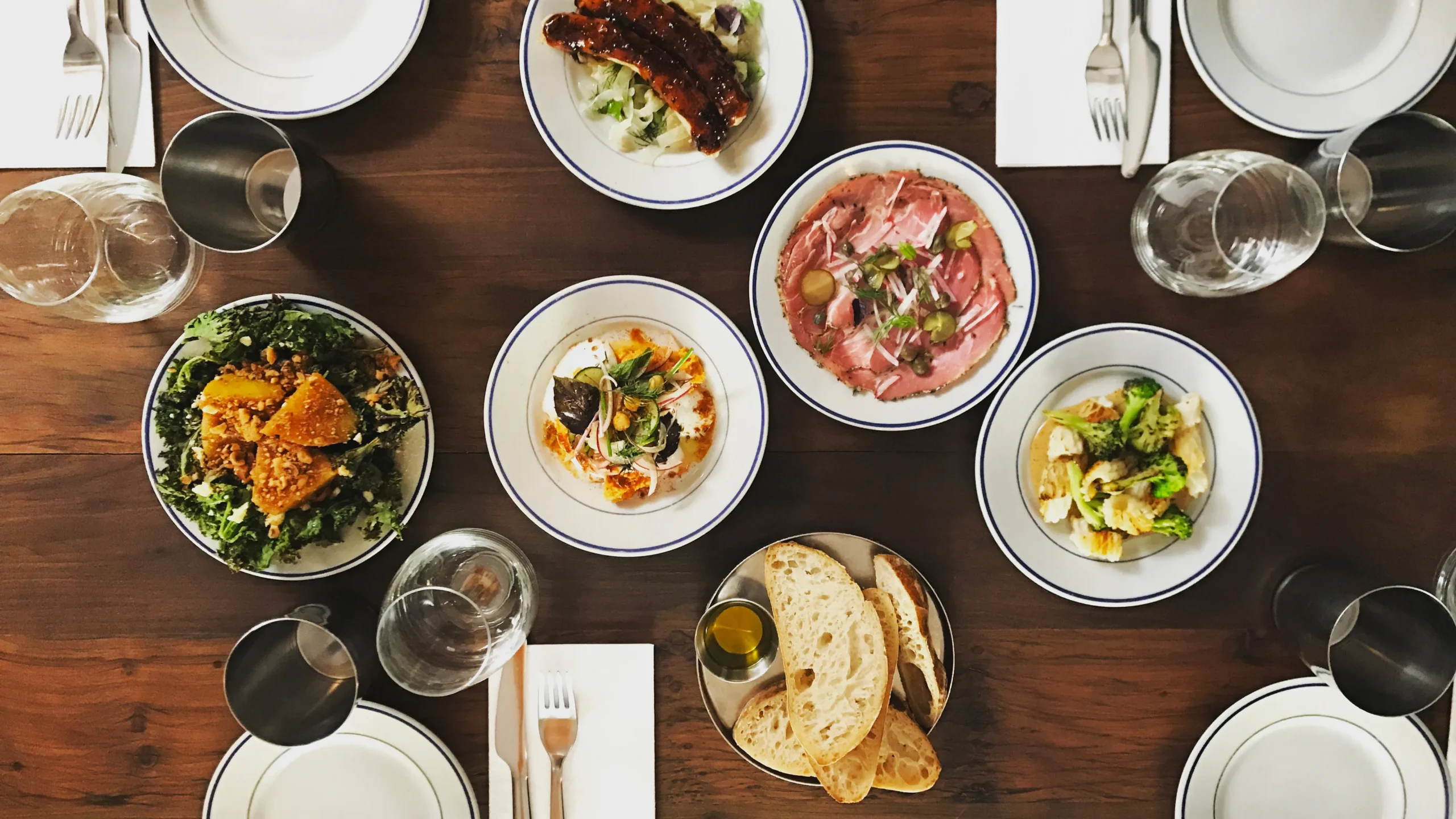
Looking for the best Italian restaurants in Buenos Aires? Argentina’s capital offers everything from handmade ravioli and pillowy gnocchi to traditional cantinas, elegant trattorias and crispy Argentine milanesa. Italian cooking is woven into local food culture, so finding a memorable plate of pasta can be as easy as discovering a neighborhood favorite—or booking a table at a destination restaurant.
This guide highlights restaurants for different tastes and occasions, with tips on what to order, which neighborhoods to explore and how to choose between a relaxed pasta lunch and a more elaborate Italian dinner.
8 Italian Restaurants in Buenos Aires to Consider
The right choice depends on what you want to eat. Some restaurants focus on fresh pasta and contemporary Italian cooking, while others combine traditional recipes with the warm, generous spirit of Buenos Aires dining. Use the filters below to narrow the list by food style.
La Alacena Trattoria
Gascón 1401, Almagro
La Alacena is a strong choice for diners who put handmade pasta at the center of the meal. Its contemporary approach to Italian cooking combines carefully prepared pasta with seasonal ingredients and a welcoming, intimate atmosphere.
Rather than choosing a restaurant solely for its décor, pasta enthusiasts may appreciate a kitchen where the dough, filling and sauce receive the most attention. La Alacena has also been recognized by the MICHELIN Guide with a Bib Gourmand distinction.
Cucina Paradiso
Multiple locations in Buenos Aires
Associated with chef Donato De Santis, Cucina Paradiso is a useful option for travelers who want a pasta-focused Italian meal. The concept brings together familiar Italian dishes and fresh-pasta preparations in a modern, casual setting.
It is worth considering for a lunch or dinner built around pasta rather than a long tasting menu. Because the business operates in more than one location, check the branch nearest your itinerary and review its current menu before visiting.
La Parolaccia
Recoleta and other Buenos Aires locations
La Parolaccia is an option for a more polished Italian dining experience, particularly if you are exploring Recoleta or planning dinner with friends and family. Its menu centers on Italian favorites, including pasta and other traditional dishes, in a full-service restaurant environment.
The setting can suit a leisurely meal after visiting Recoleta Cemetery, museums or the surrounding avenues. If you prefer stuffed pasta, ask about sorrentinos and the available sauces; menus can vary by location.
Il Sorpasso
Humberto Primo 478, San Telmo
For visitors exploring the cobbled streets and historic character of San Telmo, Il Sorpasso offers an Italian-style restaurant setting with a menu that includes pasta and other familiar dishes. The atmosphere is part of its appeal, making it a possible stop during a neighborhood food walk.
Consider it if you prefer a meal in a characterful setting instead of a sleek, minimalist dining room. As with any busy restaurant, service pace and menu availability can vary, so allow enough time if you are sightseeing.
El Preferido de Palermo
Palermo, Buenos Aires
El Preferido is a well-known Palermo dining destination that brings traditional Argentine flavors into a carefully styled restaurant. Although it is not exclusively Italian, it belongs on a broader guide to Italian-influenced food in Buenos Aires, especially for travelers curious about how immigrant traditions became part of local cuisine.
Milanesa is a natural dish to explore in this context. Argentine versions may be served simply with fries or mashed potatoes, or topped with tomato sauce and cheese in the popular milanesa a la napolitana style.
Lo de Jesús
Gurruchaga 1406, Palermo
Lo de Jesús is best known as a parrilla, or Argentine grill, rather than a strictly Italian restaurant. However, it is relevant for anyone who wants to try milanesa in the city. This breaded cutlet is part of the Italian-influenced culinary heritage that Argentina has made its own.
A good milanesa should have a well-seasoned interior and a crisp, golden coating. For a hearty meal, consider a traditional side such as fries, while checking the restaurant’s current offerings before ordering.
La Condesa
Several Buenos Aires locations
La Condesa is worth researching if your ideal comfort-food combination is milanesa with noodles. This pairing has become a recognizable feature of Buenos Aires dining, bringing together a breaded cutlet and the pasta tradition inherited and adapted from Italian cooking.
Some versions of the dish pair milanesa with buttered tagliolini or other pasta, creating a filling meal that blends Argentine and Italian influences. Check which branch you plan to visit, as menus and specials can differ.
Ristorante Maria Fedele
Adolfo Alsina 1465, central Buenos Aires
Ristorante Maria Fedele is another option to consider when looking for Italian food in central Buenos Aires. It can fit an itinerary that includes the historic center and nearby cultural attractions, without requiring a special trip to Palermo.
For a classic Italian meal, look at the available pasta dishes and ask about the day’s specialties. Confirm opening times and service periods before setting out, especially if you are planning a late lunch or an early dinner.
What to Eat at Italian Restaurants in Buenos Aires
Italian food in Buenos Aires is more than a replica of what you might eat in Rome, Naples or Bologna. Generations of Italian immigration shaped a local food culture in which pasta, pizza, breaded cutlets and long family meals are everyday favorites. These are the dishes worth knowing before you order.
1. Handmade pasta and ravioli
Fresh pasta is one of the best reasons to seek out an Italian restaurant in Buenos Aires. Look for ravioli, agnolotti, tagliatelle, pappardelle and sorrentinos. The last are particularly associated with Argentine cuisine: they resemble large, rounded stuffed pasta and are commonly filled with cheese, ham, vegetables or combinations of these ingredients.
When a menu offers several shapes and sauces, choose a combination that complements the filling. Delicate ricotta pasta may work well with butter and sage, while meat-filled pasta can pair beautifully with a rich tomato sauce or ragù.
2. Gnocchi: a comfort-food favorite
Gnocchi, or ñoquis in Spanish, are soft dumplings traditionally made with potato and flour, although recipes vary. They are served with sauces ranging from simple tomato and basil to pesto, cream, mushrooms or slow-cooked meat. Their texture is the main attraction: good gnocchi should feel tender rather than dense or gummy.
Buenos Aires also has a strong association with eating gnocchi on the 29th of each month, a popular tradition often linked to prosperity and good luck. If you happen to visit on that date, ask whether a restaurant has a special gnocchi dish.
3. Milanesa and milanesa a la napolitana
Milanesa is a thin piece of meat, commonly beef or chicken, coated in breadcrumbs and cooked until golden. It reflects the influence of Italian cotoletta, adapted to Argentine ingredients and eating habits. Restaurants may serve it with French fries, mashed potatoes, salad or pasta.
Milanesa a la napolitana takes the dish a step further with tomato sauce, cheese and often ham. Despite the Italian-sounding name, it is a classic Argentine creation. It is especially useful to know if you want a generous, filling local meal rather than a plate of pasta.
4. Lasagna, cannelloni and baked pasta
Baked pasta is a good choice when you want something hearty and familiar. Lasagna layers pasta with fillings, sauce and cheese, while cannelloni are pasta tubes or rolled sheets stuffed with ingredients such as ricotta, spinach or meat. Ask whether the dish is prepared in-house and whether it is available by the portion or as a daily special.
5. Tiramisù and other Italian desserts
Save room for dessert if the menu includes tiramisù, panna cotta, cannoli or a house-made sweet. Tiramisù combines coffee-soaked layers with a creamy filling, while cannoli feature crisp pastry shells and a sweet filling. In Buenos Aires, you may also see Italian-style desserts alongside Argentine favorites made with dulce de leche.
Where to Find Italian Food in Buenos Aires
| Area | Best for | How to plan your meal |
|---|---|---|
| Palermo | Modern restaurants, contemporary trattorias and milanesa | Combine lunch or dinner with shopping, cafés and neighborhood walks. |
| Almagro | Handmade pasta and a food-focused restaurant visit | Choose this area when the pasta itself is the main reason for going. |
| Recoleta | Full-service Italian meals and special occasions | Pair a restaurant visit with museums, architecture or cemetery tours. |
| San Telmo | Historic streets, traditional dining and a relaxed atmosphere | Plan extra time if you’re exploring the market or antique fair. |
| Central Buenos Aires | Italian dining near historic sights and major avenues | Verify service times so your meal fits between sightseeing stops. |
How Much Does an Italian Restaurant Meal Cost?
Restaurant prices in Buenos Aires can change considerably with inflation, exchange rates, location and the style of dining. A casual pasta lunch, a neighborhood cantina and a polished dinner restaurant should not be expected to have the same bill.
Rather than relying on an old price list, check the restaurant’s current menu or contact the venue before visiting. Ask whether the listed price includes side dishes, drinks and any service charges. For popular restaurants, it is also worth checking whether reservations are recommended or required.
- Compare main-course prices before choosing a restaurant.
- Ask about portion size if you plan to share starters or pasta.
- Check the cost of drinks and desserts separately.
- Look for a lunch menu if you want a structured meal.
- Confirm the latest menu and payment options before you go.
Tips for Choosing the Right Italian Restaurant
- For pasta enthusiasts: Prioritize restaurants that make pasta in-house and offer seasonal or stuffed varieties.
- For gnocchi: Ask about the sauce and whether the gnocchi are made fresh.
- For milanesa: Decide whether you prefer a simple breaded cutlet, a Neapolitan-style topping or a pasta pairing.
- For a date night: Look for a full-service restaurant with a menu and atmosphere that suit a longer meal.
- For sightseeing: Choose a restaurant near your planned neighborhood route to avoid unnecessary travel.
- For dietary requirements: Contact the restaurant in advance about allergens, gluten-free options and possible cross-contact.
Frequently Asked Questions
La Alacena Trattoria and Cucina Paradiso are useful places to start when looking for fresh or handmade pasta. La Parolaccia is another option for a full-service Italian meal. Compare current menus and locations before deciding.
Look for Italian trattorias and fresh-pasta restaurants that list ñoquis or gnocchi on their menus. Availability can change, so check the current menu or ask about daily specials before visiting.
Milanesa has roots in European breaded-cutlet traditions, including Italian cotoletta, but the Argentine version has developed its own identity. Milanesa a la napolitana, with tomato sauce and cheese, is a particularly well-known local variation.
Both are stuffed pasta, but sorrentinos are typically larger and rounder than many traditional ravioli. They are strongly associated with Argentine cooking and often contain cheese, ham or vegetable fillings.
Policies vary by restaurant. Booking ahead is sensible for popular venues, weekend dinners and special occasions. Some casual pasta spots operate primarily on a walk-in basis, so check the restaurant’s own booking information.
Palermo offers a wide range of contemporary dining, Almagro is worth considering for handmade pasta, Recoleta works well for a polished restaurant meal, and San Telmo is a natural fit for a historic neighborhood outing. The best choice depends on your itinerary and preferred dining style.
Try handmade ravioli or sorrentinos, gnocchi with a house sauce, or lasagna. For a dish that reflects the Italian-Argentine blend, order milanesa, perhaps with fries or pasta. Finish with tiramisù if it is available.
Final Thoughts: Finding Great Italian Food in Buenos Aires
The best Italian restaurants in Buenos Aires offer more than familiar recipes. They show how Italian culinary traditions have become part of Argentine identity, from handmade pasta and gnocchi to the ever-popular milanesa. Whether you prefer an intimate trattoria, a traditional neighborhood meal or a polished dinner in Recoleta, there is a style of Italian-influenced cooking for almost every occasion.
Start with the dish you most want to try, choose a restaurant that fits your itinerary and check the current menu before you go. A plate of fresh pasta or a crisp, golden milanesa can be one of the most satisfying ways to experience Buenos Aires food culture.