
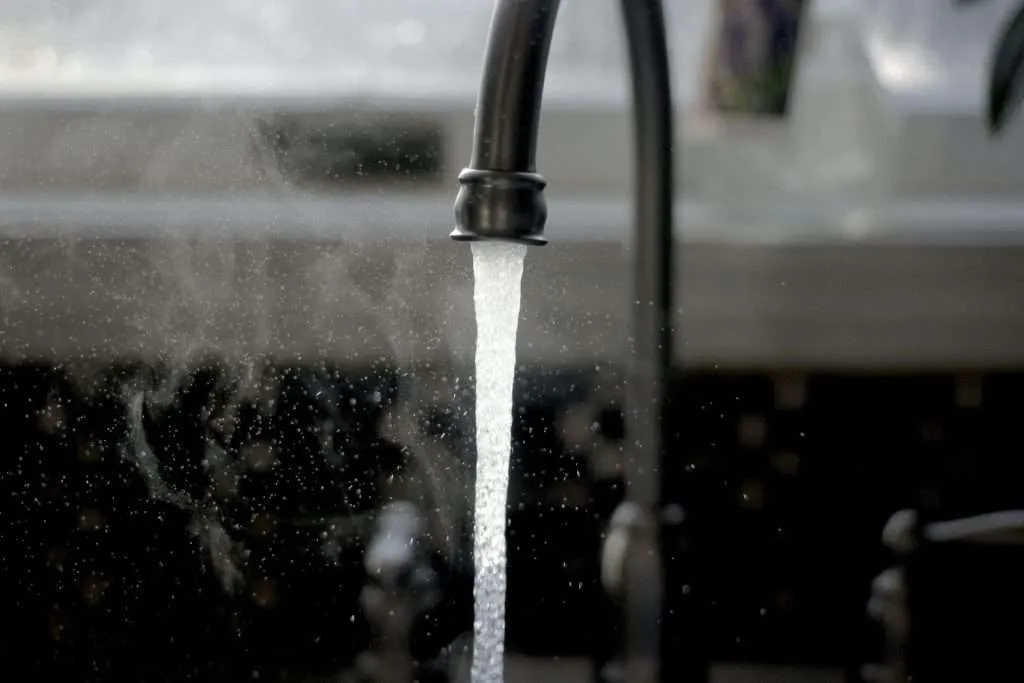
If you’re visiting Buenos Aires, you may wonder whether it’s safe to drink tap water at your hotel, order water at a restaurant, or refill your bottle before exploring the city. The good news is that tap water in the City of Buenos Aires is generally considered safe to drink. The city’s official tourism website confirms that public tap water is drinkable.
However, the condition of a building’s plumbing, temporary water-service problems and your own preferences can affect what you choose to drink. Here’s how to order water in Buenos Aires, when bottled water makes sense, and what travelers should know before dining out.
- Tap water: Generally safe in the City of Buenos Aires when the supply and building plumbing are in good condition.
- Restaurant water: Ask whether the restaurant serves tap water or bottled water.
- Bottled still water: Called agua sin gas.
- Bottled sparkling water: Called agua con gas.
- Outside the city: Check local advice instead of assuming water quality is identical everywhere.
Is Tap Water Safe to Drink in Buenos Aires?
Generally, yes. The official Buenos Aires tourism health and security guide says tap water is drinkable in the city. The public water utility, AySA, also describes its water-quality monitoring process, which includes checks during treatment and across the distribution system.
For most visitors staying in the city, drinking tap water is a reasonable everyday choice. You can generally use it for drinking and routine activities such as brushing your teeth, provided there is no local advisory or problem with the supply.
Still, public water quality does not guarantee that every faucet in every building is in perfect condition. Older plumbing, poorly maintained storage tanks or a temporary interruption can affect water at the point where you receive it.
Can Tourists Drink Tap Water at Restaurants?
The municipal water supply is generally potable, but restaurant policies vary. Some restaurants may offer bottled water as the standard option, while others may be able to provide tap water on request. Do not assume that every restaurant will serve tap water free of charge.
If you prefer tap water, ask before ordering. If the restaurant offers bottled water, check whether the bottle is still or sparkling and look at the price on the menu.
Tap water
A practical option when the restaurant confirms it can provide it. It is generally safe in the city’s public supply, assuming no local warning or plumbing issue.
Bottled still water
Ask for agua sin gas. This is the option to choose if you prefer water without carbonation.
Bottled sparkling water
Ask for agua con gas. It is a common choice with meals, especially if you enjoy carbonated water.
Filtered water
Some hotels, cafés and restaurants may have filtration systems. If you want filtered water, ask how it is provided.
How to Order Water in Spanish
You don’t need fluent Spanish to order a drink in Buenos Aires. These simple phrases can help you communicate your preference and understand what the restaurant offers.
I’d like a glass of tap water, please.
Quisiera un vaso de agua de la canilla, por favor.
Do you serve tap water?
¿Sirven agua de la canilla?
I’d like still bottled water, please.
Quisiera agua mineral sin gas, por favor.
I’d like sparkling water, please.
Quisiera agua con gas, por favor.
Is the water included in the price?
¿El agua está incluida en el precio?
Tap Water vs. Bottled Water in Buenos Aires
| Option | Safety considerations | Cost | Best for |
|---|---|---|---|
| Tap water | Generally potable in the city; consider the condition of the building’s plumbing and any local advisories. | Usually no purchase cost at home or accommodation. | Everyday hydration when the supply is in good condition. |
| Bottled still water | Choose a sealed bottle from a reputable seller. | Varies by brand, size and venue. | Travelers who prefer bottled water or need a convenient option while out. |
| Bottled sparkling water | Choose a sealed bottle and check the label. | Varies by brand and restaurant. | People who prefer carbonated water with meals. |
| Filtered water | Depends on the filtration equipment and its maintenance. | May be included or sold separately. | People who prefer filtered water or dislike the taste of tap water. |
Why Does Tap Water Sometimes Taste Different?
Safe drinking water can still taste different from what you’re used to at home. Travelers may notice a chlorine-like taste or a different mineral profile. Taste alone is not a reliable way to determine whether water is safe.
If you dislike the taste, you can choose bottled water or use a suitable, properly maintained water filter. Refrigerating tap water in a clean, covered container may also make it more pleasant to drink.
If the water suddenly develops a strong unusual smell, changes color or looks abnormal, treat that differently from a familiar mild taste. Stop drinking it and ask the property manager or local water provider whether there is a problem.
Is Tap Water Safe Outside Buenos Aires?
Water safety can differ between destinations in Argentina. The fact that tap water is generally drinkable in the City of Buenos Aires does not automatically mean that the supply in every town, rural area or remote accommodation is equally reliable.
If you are taking a day trip or traveling to another province, ask your accommodation or a reliable local authority about the drinking water. When the safety of the supply is uncertain, use sealed bottled water or follow official local guidance.
The U.S. Department of State’s Argentina travel advisory also distinguishes between urban areas, where tap water is generally safe, and rural areas, where it may not be.
Practical Water Safety Tips for Your Trip
- Ask your hotel or host: Especially if you’re staying in an older building or an apartment with a rooftop water tank.
- Check local notices: Follow any official warning about water quality, pressure loss or service interruptions.
- Inspect bottled water: Choose reputable brands and check that the seal is intact.
- Keep a reusable bottle: Refill it only from a source you know is safe.
- Don’t rely on appearance alone: Clear water is not automatically safe, and taste is not a dependable safety test.
- Be more cautious outside the city: Verify local conditions before drinking tap water in rural or remote areas.
Buenos Aires Drinking Water Checklist
Check these items when you arrive at your hotel or rental apartment.
0 of 5 completed
Frequently Asked Questions
Can I brush my teeth with tap water in Buenos Aires?
Generally, yes. The city’s public tap water is considered potable. If your accommodation reports a water-quality problem or an official advisory is in effect, follow local instructions and use an alternative safe water source.
Do restaurants in Buenos Aires give free tap water?
Policies vary. Some establishments may provide tap water on request, while others offer bottled water as their standard option. Ask whether tap water is available and whether there is a charge.
What does “agua sin gas” mean?
“Agua sin gas” means still water without carbonation. You can use “agua mineral sin gas” when ordering bottled still water.
What does “agua con gas” mean?
“Agua con gas” means sparkling or carbonated water. It is a useful phrase to remember when ordering drinks in a Buenos Aires restaurant.
Should I buy bottled water throughout my stay?
Not necessarily. Tap water in the city is generally considered safe when the supply and plumbing are in good condition. Bottled water is an alternative if you prefer its taste or have a specific concern about the water at your accommodation.
Is tap water safe in every part of Argentina?
No blanket guarantee applies everywhere. Conditions vary by location, particularly in rural or remote areas. Check local guidance when traveling outside Buenos Aires.
Is filtered water safer than tap water?
It depends on the filter, the contaminants it is designed to remove, and whether the equipment is properly maintained. A filter is not automatically necessary for the city’s potable public supply.
Final Verdict: What Should You Drink in Buenos Aires?
For most travelers staying in the City of Buenos Aires, tap water is generally safe to drink. At restaurants, ask whether tap water is available or choose bottled still or sparkling water according to your preference. If you’re staying in an older property, notice an unusual change in the water, or receive a local service warning, check before drinking it.
The simplest strategy is to know your accommodation’s water conditions, keep a reusable bottle handy and learn the phrases agua de la canilla, agua sin gas and agua con gas. That way, you can stay hydrated while enjoying Buenos Aires’ cafés, restaurants and neighborhoods.
Sources: Official Buenos Aires tourism health guidance; AySA water-quality monitoring; U.S. Department of State Argentina travel advisory.